acf domain was triggered too early. This is usually an indicator for some code in the plugin or theme running too early. Translations should be loaded at the init action or later. Please see Debugging in WordPress for more information. (This message was added in version 6.7.0.) in /var/www/html/wp-includes/functions.php on line 6131post-smtp domain was triggered too early. This is usually an indicator for some code in the plugin or theme running too early. Translations should be loaded at the init action or later. Please see Debugging in WordPress for more information. (This message was added in version 6.7.0.) in /var/www/html/wp-includes/functions.php on line 6131rank-math domain was triggered too early. This is usually an indicator for some code in the plugin or theme running too early. Translations should be loaded at the init action or later. Please see Debugging in WordPress for more information. (This message was added in version 6.7.0.) in /var/www/html/wp-includes/functions.php on line 6131rank-math domain was triggered too early. This is usually an indicator for some code in the plugin or theme running too early. Translations should be loaded at the init action or later. Please see Debugging in WordPress for more information. (This message was added in version 6.7.0.) in /var/www/html/wp-includes/functions.php on line 6131October 13, 2023
The energy industry is in the midst of a significant transformation, driven by advancements in technology, environmental concerns, and the need for sustainable energy sources. One sector that plays a crucial role in this transformation is the upstream oil and gas industry. Traditionally associated with fossil fuels and environmental concerns, this sector is now adapting to meet the challenges of an evolving landscape. In this blog, we will explore how recent advancements in energy production are reshaping the upstream oil and gas sector and what it means for both the industry and the environment.
For decades, the upstream oil and gas sector has been a yardstick of global energy production. It has supplied the world with the primary sources of energy—oil and natural gas. However, this traditional model has been marred by several issues, including greenhouse gas emissions, environmental degradation, and dependence on finite resources. As concerns over climate change grow, the industry has come under increasing pressure to address these issues.
One of the most significant advancements in energy production is the rapid growth of renewable energy sources, such as solar, wind, and hydropower. These sources have gained popularity due to their low environmental impact, scalability, and falling costs. As a result, many oil and gas companies are diversifying their portfolios by investing in renewable energy projects. This shift not only reduces their carbon footprint but also ensures a more sustainable and diversified future.
Another major advancement is the utilization of hydrogen as an energy carrier. Hydrogen has the potential to decarbonize various sectors, including transportation and industry. In the upstream oil and gas sector, hydrogen can be produced through a process called steam methane reforming, where natural gas is converted into hydrogen and carbon dioxide. Carbon capture and storage (CCS) technologies can be employed to capture and store the CO2 emissions, making hydrogen production more environmentally friendly.
Advancements in digitalization and data analytics are revolutionizing the upstream oil and gas industry. The integration of Internet of Things (IoT) sensors, artificial intelligence (AI), and big data analytics is enabling companies to optimize their operations, reduce costs, and minimize environmental impact. By leveraging real-time data, companies can improve drilling techniques, reduce waste, and enhance safety.
For example, companies are using AI algorithms to predict equipment failures, minimizing downtime and reducing the need for frequent maintenance, which can be resource-intensive. Additionally, advanced data analytics can optimize drilling processes, reducing the environmental footprint of exploration activities.
Innovations in drilling and extraction technologies are helping reduce the environmental impact of upstream operations. Directional drilling and hydraulic fracturing (fracking) techniques have enabled companies to access previously inaccessible reserves with minimal surface disturbance. These technologies reduce the need for extensive infrastructure and minimize habitat disruption.
Furthermore, environmental management practices, such as water recycling and reusing produced water for hydraulic fracturing, are becoming more prevalent in the industry. Companies are investing in wastewater treatment technologies to ensure responsible water management, addressing one of the sector’s longstanding environmental concerns.
Advancements in energy production in the upstream oil and gas sector are not happening in isolation. Governments and regulatory bodies worldwide are pushing for stricter environmental standards and emissions reductions. This regulatory pressure is driving innovation and accelerating the adoption of cleaner technologies.
For instance, the European Union’s Green Deal aims to make Europe the world’s first climate-neutral continent by 2050. As part of this initiative, the EU is implementing stringent emissions reduction targets, which will have a direct impact on the oil and gas industry. This pressure is forcing companies to invest in cleaner technologies and transition toward more sustainable practices.
While advancements in energy production offer promising opportunities, they also come with challenges and uncertainties. The transition to renewable energy sources and cleaner technologies can be costly and disruptive for existing infrastructure and workforces. Oil and gas companies face the challenge of managing this transition while maintaining profitability and stability.
Moreover, the availability and reliability of renewable energy sources can be inconsistent, requiring the development of energy storage solutions. Additionally, the production of hydrogen from natural gas with CCS is not a perfect solution, as it still involves carbon emissions, albeit at reduced levels. Balancing the energy transition with environmental concerns remains a complex task.
Advancements in energy production are reshaping the upstream oil and gas sector, ushering in a new era of sustainability and innovation. Companies in the industry are diversifying their portfolios, embracing renewables, and exploring hydrogen production. Digitalization and efficiency improvements are enhancing operations, while environmental impact reduction measures are mitigating the sector’s footprint.
However, this transformation is not without challenges and uncertainties. Balancing the transition to cleaner technologies with economic stability remains a formidable task. The role of government regulations and international commitments is crucial in driving this transformation.
The upstream oil and gas industry’s journey towards sustainability is a testament to its adaptability and commitment to meeting the world’s energy needs while addressing environmental concerns. As the sector continues to evolve, its role in the global energy landscape will undoubtedly change, shaping a more sustainable and environmentally responsible future.
By Get global | March 18, 2026
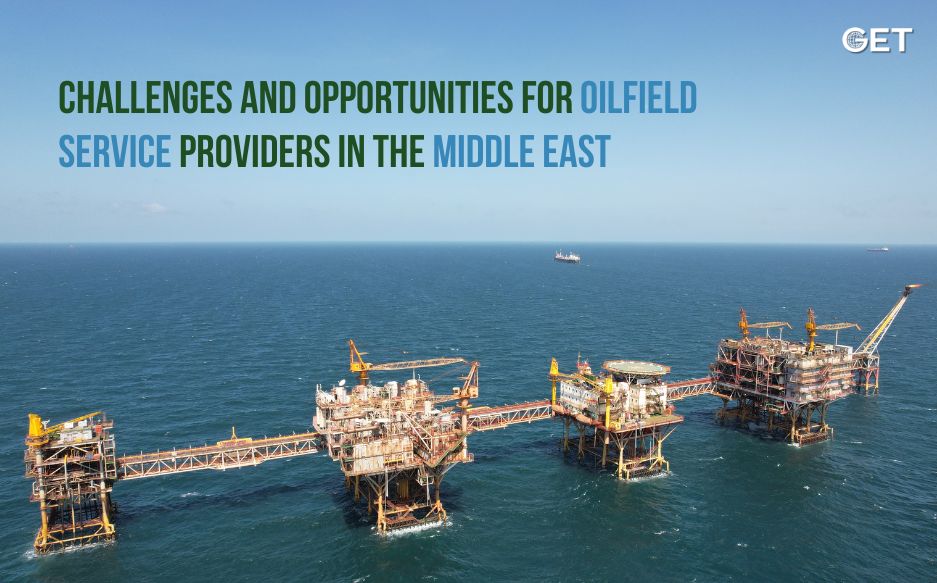
The Middle East has always been the heartbeat of the global energy industry. It holds some of the world’s largest oil and gas reserves. And for decades, it has attracted investment from every corner of the globe. But the landscape is changing. Fast. Today, oilfield service providers operating in this […]
By Get global | March 16, 2026
By Get global | March 11, 2026
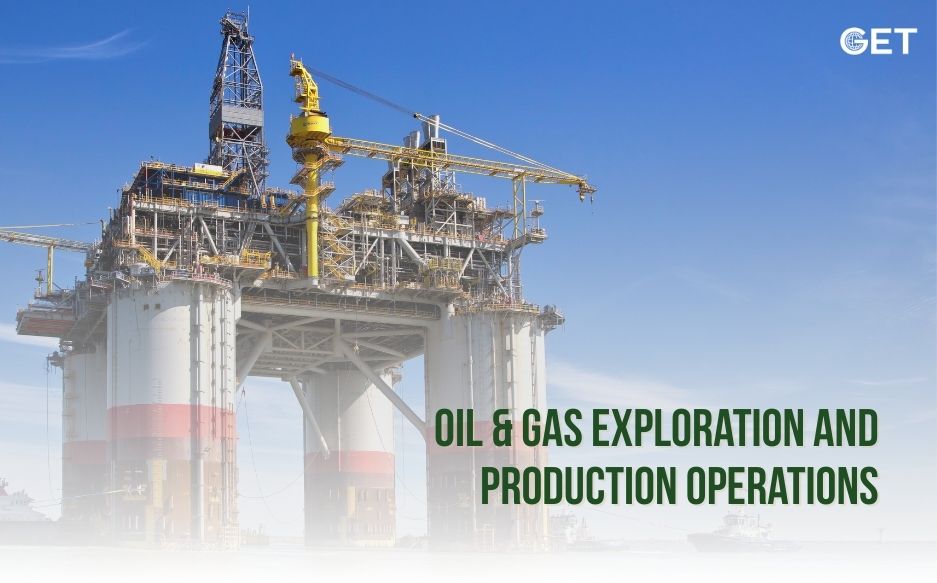
The Middle East has always been one of the key regions for the oil and gas industry with some of the largest hydrocarbon reserves in the world. Upstream exploration and production have been a major contributor to economic growth and energy development for many Middle Eastern countries. For instance, cities […]
By Get global | March 10, 2026
The Middle East operates as the core of the oil and gas industry since most energy industry developments throughout the world converge at this particular region. The region provides career opportunities which offer exceptional salary packages and thrilling work experiences throughout its Saudi Arabian deserts and Abu Dhabi urban centers […]
By Get global | March 6, 2026