acf domain was triggered too early. This is usually an indicator for some code in the plugin or theme running too early. Translations should be loaded at the init action or later. Please see Debugging in WordPress for more information. (This message was added in version 6.7.0.) in /var/www/html/wp-includes/functions.php on line 6131post-smtp domain was triggered too early. This is usually an indicator for some code in the plugin or theme running too early. Translations should be loaded at the init action or later. Please see Debugging in WordPress for more information. (This message was added in version 6.7.0.) in /var/www/html/wp-includes/functions.php on line 6131rank-math domain was triggered too early. This is usually an indicator for some code in the plugin or theme running too early. Translations should be loaded at the init action or later. Please see Debugging in WordPress for more information. (This message was added in version 6.7.0.) in /var/www/html/wp-includes/functions.php on line 6131rank-math domain was triggered too early. This is usually an indicator for some code in the plugin or theme running too early. Translations should be loaded at the init action or later. Please see Debugging in WordPress for more information. (This message was added in version 6.7.0.) in /var/www/html/wp-includes/functions.php on line 6131
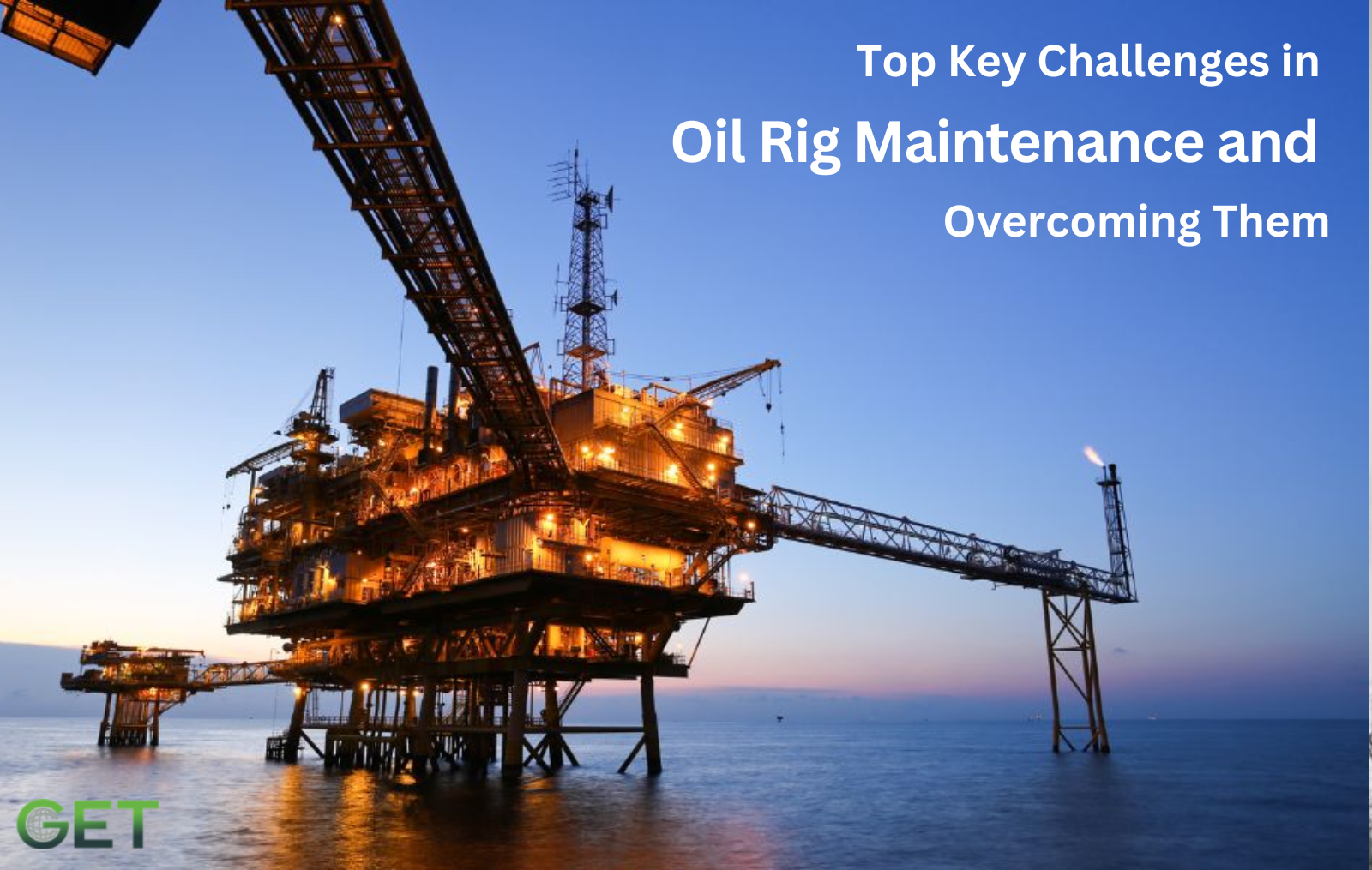
Offshore oil rigs are massive feats of engineering that require rigorous and continuous maintenance to operate effectively and safely. As a critical hub for the extraction of oil and gas beneath the ocean floor, the rigs pose some unique challenges, which need careful management. The complexities of offshore oil rig maintenance arise from hostile environmental conditions, requirements for particular equipment, and regulatory requirements. In this paper, we discuss the fundamental issues in oil rig maintenance and propose ways in which to overcome them in order to ensure safety and efficiency with minimal costs for operations.
Oil rigs are exposed to extreme environmental conditions, including strong winds, salty seawater that is corrosive in nature, constant UV ray exposure, and frequent changes in temperature. Under normal circumstances, such environmental conditions threaten to damage the structure and the machines of an oil rig due to wear and tear. Saltwater corrosion in general tends to be among the problems that affect important components, such as pipelines, housing equipment, and electrical systems.
Oil rigs have every kind of machinery and technology, from drilling to safety systems. All those systems need constant monitoring along with regular servicing to minimize any downtime. However, it is the complexity that makes it challenging, along with the cost to maintain equipment. Critical machinery often demands specific parts and tools, and those are hard to obtain, especially when rigs are built in remote places.
Since offshore drilling poses an extreme risk factor, the maintenance of oil rigs is strictly regulated. It must meet safety standards, environmental regulations, and industry guidelines to ensure the health and safety of the crew and the environment. Non-compliance with these standards will result in fines, shutdown operations, and even a disastrous accident. Meeting such strict standards requires a continuous effort and resources.
How to Overcome This Challenge:
Offshore oil rigs usually exist far off from towns and cities and sometimes miles away from a port or base. The remoteness creates logistical difficulties in regard to transporting equipment for maintenance, spare parts, and even personnel. Limited accessibility may lead to delays during repair, increase operational downtimes, and enhance maintenance costs because of the necessity for special modes of transport.
The growing scarcity of skilled labor in the oil and gas industry comprises such vital positions as the servicing of an oil rig. Such a type of rig demands specific technicians and engineers with the knowledge about and experience in the use and servicing of complex systems. The lack of such labor would entail more costs for training, longer periods before equipment can be serviced, and reliance on outside contractors, hence escalating the operational cost even more.
Environmental sustainability is quite a big deal in the oil and gas industry these days. Offshore rigs must strive to reduce the incidences of oil spills, waste disposal problems, and emissions, and generally try to create a better environment for themselves. Environmental control systems need to be properly maintained such that the footprint on the ecology is reduced, and environmental disasters never come about.
Offshore oil rig maintenance is technically involved and is also a procedure requiring expertise. This way, companies can ensure that their offshore operations are long-term viable and efficient by solving major problems such as harsh environmental conditions, complicated equipment, compliance to safety, the location being remote, a labor shortage, and environmental sustainability. Proactive strategies on maintenance, investments in technology, safety, and sustainability will help reduce the cost of downtime and contribute to a safer and more environmentally responsible oil and gas industry.
Also Read: The 10 Biggest Oil Rigs in the World