Oil and gas interviews are rarely comfortable. They are not meant to be. Most hiring managers are not trying to impress you. They are trying to figure out whether you will hold up when things go wrong, because on a rig or site, something always does.
You are not being tested on perfect answers. You are being tested on judgment.
This oil and gas industry has a long memory. Incidents, near misses, shutdowns, and cost overruns shape how people hire.
Interviewers have usually seen what happens when the wrong person is put in the wrong role. That is why questions often sound blunt or oddly specific. They are drawn from real situations, not HR templates.
What they want to understand is simple:
“Walk us through your experience on site.” This is usually where things become clear very quickly.
Strong answers sound grounded. Weak ones sound rehearsed.
What interviewers listen for:
Listing job titles or repeating role descriptions rarely helps.
Read Also- Top 5 Reasons to Choose a Career in the Oil and Gas Industry
“How do you approach safety?” This is not about slogans. It is about habits.
People want to hear how you behave when:
Describe a Safety Incident You Have Been Involved In
Almost everyone has one. Interviewers are not expecting a perfect record. They want to know how you responded. What did you learn. What changed afterward.
An attempt to escape responsibility tends to have more negative effects than positive ones. Maturity is demonstrated by clear reflection and accountability.
Mentioning things like toolbox talks, stop-work authority, and near-miss reporting carries weight only if it sounds lived-in, not memorized.
“Tell us about a safety incident.”
Most candidates have one. The mistake is trying to hide it.
What matters more than the incident itself:
Deflection is usually noticed.
“Describe a time when the plan didn’t hold.”
On a rig, plans break easily.
Interviewers are listening for how you:
They are not looking for hero stories. Calm, structured thinking stands out.
“How do you handle disagreements between field teams and management?”
This question shows up often because it causes real damage when mishandled.
Good answers usually include:
“How do you manage long rotations or remote work?” This is not about toughness. It is about sustainability.
Interviewers want to know:
Overconfidence here is a red flag.
“What do you do when you disagree with a supervisor?” This question is about professionalism.
People want to hear that you:
At higher levels, questions shift.
They focus more on:
You may be asked how you balance efficiency with safety, or how you assess risk when information is incomplete. Vague answers fall apart quickly here.
For experienced professionals, these questions looks at structure. Interviewers want to hear how you identify risk, evaluate impact, and put controls in place across people, process, and equipment.
Specific examples matter here.
Good candidates ask questions too.
Useful ones often cover:
These questions signal seriousness and maturity.
A Final Word
Oil and gas interviews are not about saying the right thing. They are about sounding credible to people who know the reality of the job.
When your answers are based on actual experience, when you are not afraid to be straight about what you have acquired, when you are respectful towards the safety and judgment, that generally means more than any technical definition.
Read Also- Smart Ports: Digital Innovations Driving Upstream Efficiency
By Get global | June 29, 2026
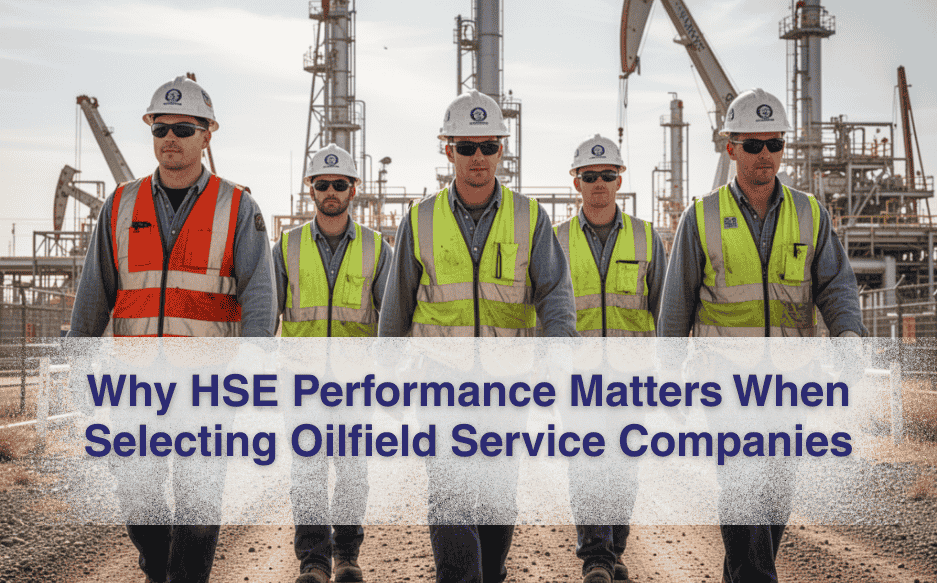
The oil and gas industry is complex and high-risk, making it essential for operators to select oilfield service partners based on more than just price or equipment availability. In the upstream sector—especially in the Middle East—Health, Safety, and Environmental (HSE) performance is now a key factor in decision‑making. Strong HSE […]
By Get global | June 29, 2026
By Get global | June 29, 2026
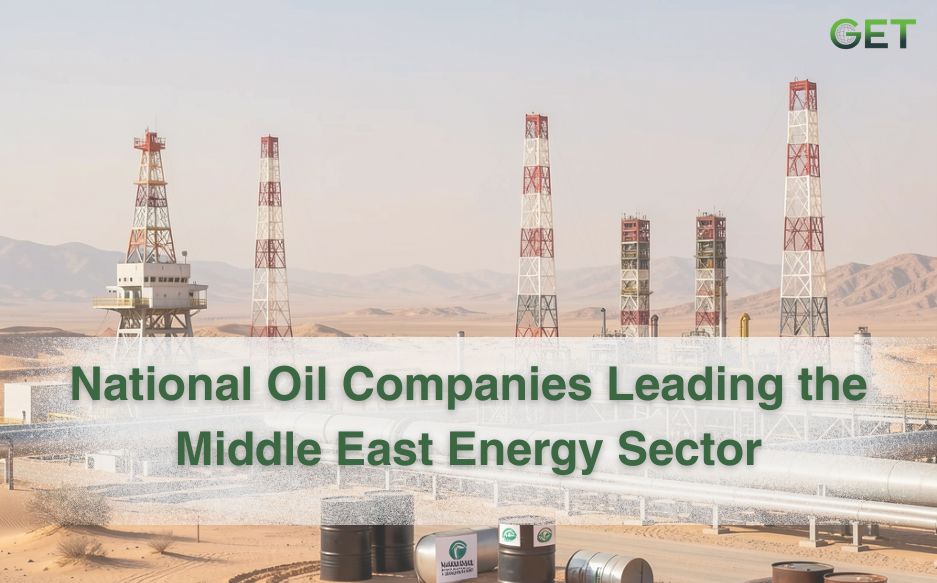
The Middle East has always been one of the key regions for the oil and gas industry with some of the largest hydrocarbon reserves in the world. Upstream exploration and production have been a major contributor to economic growth and energy development for many Middle Eastern countries. For instance, cities […]
By Get global | June 29, 2026
Every barrel counts. In oil and gas, even a few hours of unexpected downtime can cost companies thousands, sometimes millions of dollars. And yet, so many operators are still juggling dozens of vendors without any real system in place. It’s messy. It slows things down. And honestly, it’s holding production […]
By Get global | June 29, 2026