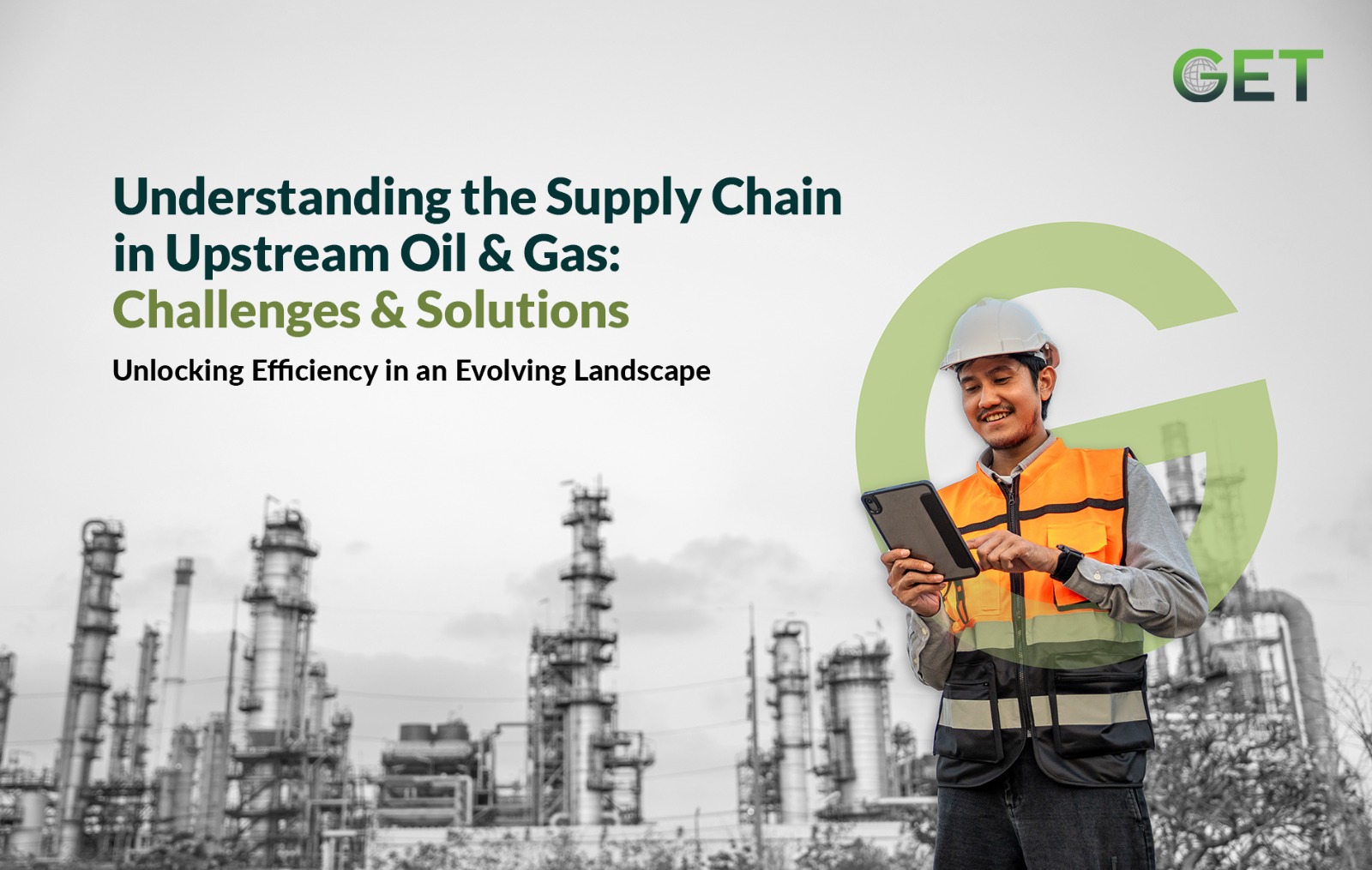
The global economy is closely related to the oil and gas sector that is utilized as a source of transportation emissions, manufacturing activities, and daily life. The upstream exploration and production activities are complicated activities. Having a streamlined supply chain system is a must to procure resources timely, save resources, comply with regulations, and be ready to respond to disruptions. In this blog, you can find the most pressing issues that are related to upstream oil and gas supply chain management along with groundbreaking solutions to overcome these challenges successfully.
Problem: The challenges that the supply chain faces in the oil and gas industry is the fact that the oil and gas fields tend to be located in remote areas. Thus, the supply chain will have to be extended to these areas. However, traveling to these remote areas and transporting the equipment and personnel is not an easy task due to the vast distances and terrain that the supply chain will have to cover.
Solution: Better principles of logistics and supply, which include the treatment of economic and local tones of modern-day logistics such as path optimization software system and vendor-managed inventory systems, will be able to limit the number of transport visits while at the same time reducing the costs in small communities.
Problem: The upstream industry is still a very volatile sector with regard to price fluctuations due to geopolitical events and natural calamities. The uncertainty of the situation impacts investment in exploration and production projects as well as the demand cycle.
Solution: Advanced data analytics provides companies with an understanding of consumer trends that helps them predict demand and adapt accordingly. Additionally, flexible contracts and real-time market scouting help in responding to demand fluctuations.
Problem: There are a lot of environmental and safety regulations imposed on upstream companies, which have increased operational costs and led to the need for frequent audits. If these regulations are not followed, heavy penalties and production stoppages may occur.
Solution: IoT sensors and devices can help companies monitor these regulations in real-time. These devices can help in the smooth documentation process, reducing the chances of errors and delays.
Problem: It can be challenging to get specialized equipment and spare parts needed for drilling operations. If there are delays in these areas, production may come to a halt.
Solution: Developing a good relationship with the supplier through performance-based contracts may help in improving the reliability of the equipment. Working with the supplier may help in ensuring timely availability of equipment.
Problem: As the upstream industry becomes more digitalized, it may be challenging to manage the large amount of data available in different systems. Lack of visibility may cause a delay in real-time decisions.
Solution: Embracing digital technology such as IoT, AI, and data analytics may help upstream oil and gas companies have real-time visibility of their operations.
Also Read- Explore GET’s Top Services: Essential Solutions and Key Highlights
Future-Oriented and Practical Solutions for the Upstream Supply Chain:
Digitalization, through the use of IoT devices like sensors, enables real-time tracking of assets. This is useful for predictive maintenance, which minimizes equipment failures. Digitalization also enhances inventory management; thus, operations are conducted smoothly.
Enhancing relationships with suppliers through performance-based contracts is important. These relationships are useful for quality as well as flexibility. Suppliers are important as they can provide products promptly; thus, there is minimal chance of delays in hard-to-reach areas.
Next-generation data analytics is important as it enhances upstream companies’ ability to predict demand patterns. This minimizes inventory management challenges.
A well-developed supply chain requires effective risk management strategies, which involve diversification of sources. Contingency planning is also important; for example, having alternative routes or sources during a natural calamity or political crisis is essential.
Environmental, Social, and Governance initiatives are becoming more important for companies as upstream companies are looking to incorporate sustainability into their supply chain strategies. These initiatives involve measuring emissions, diversifying vendors, and investing in green technologies.
Conclusion
The upstream oil and gas supply chain is complicated, with challenges ranging from remote logistics issues to unexpected demand shifts in a heavily regulated environment. However, with the help of digital transformation, strong partnerships, and effective risk management companies, one can reshape their supply chains. This can lead to better operational efficiency and allow them to navigate the complexities of their supply chains, ensuring a more stable and sustainable future.
More about the GET Global Group:
The GET Global Group is an important company that helps in the efficient and effective management of supply chain activities within the upstream oil and gas sector. With its vast experience in providing engineering services, procurement support, and technical consulting, the company helps various organizations manage the challenges that arise in the upstream sector of the oil and gas industry.
The GET Global Group provides the following support to the upstream sector of the oil and gas industry: Engineering and Technical Services – The company provides specialized support to the exploration, drilling, and production activities of the upstream sector of the oil and gas industry.
Procurement and Supply Chain Support – The company provides support to various firms in the procurement of critical equipment and parts that are essential for the smooth running of the upstream sector of the oil and gas industry. Project Support and Logistics Coordination – The company provides support in the transportation of equipment and resources to the upstream sector of the oil and gas industry.
Read Also- How Oilfield Service Companies Support Upstream Operations in the Middle East
By Get global | June 30, 2026

By Get global | June 29, 2026
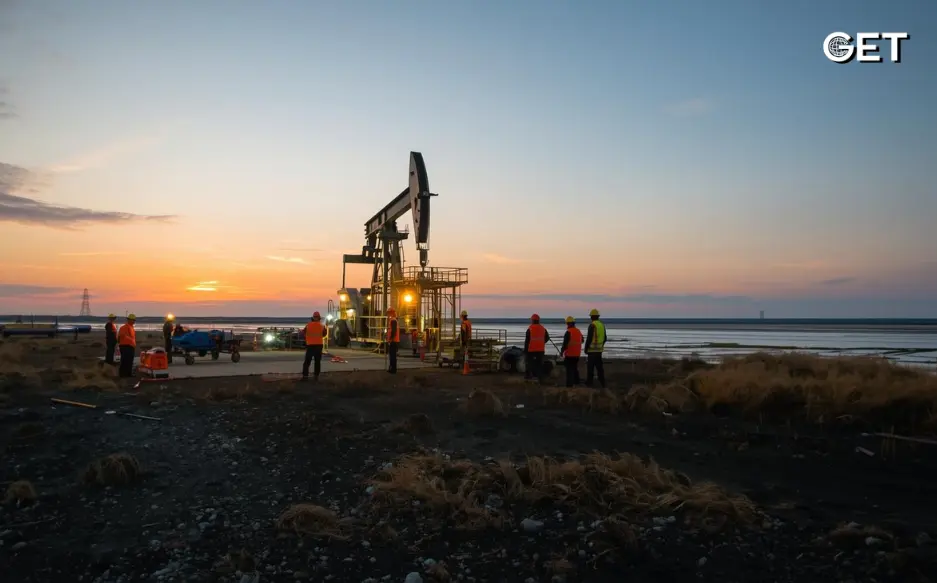
The oil and gas industry is complex and high-risk, making it essential for operators to select oilfield service partners based on more than just price or equipment availability. In the upstream sector—especially in the Middle East—Health, Safety, and Environmental (HSE) performance is now a key factor in decision‑making. Strong HSE […]
By Get global | June 29, 2026
By Get global | June 29, 2026
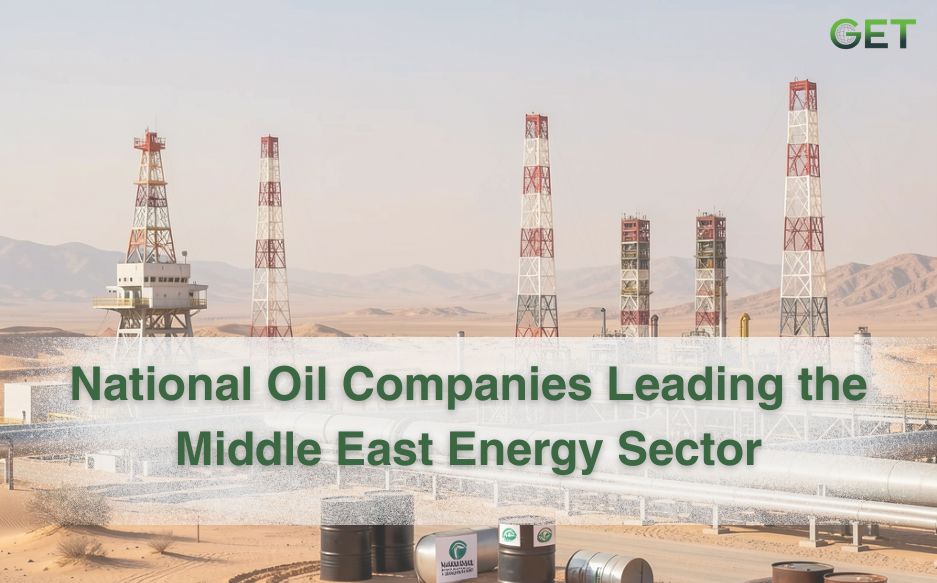
The Middle East has always been one of the key regions for the oil and gas industry with some of the largest hydrocarbon reserves in the world. Upstream exploration and production have been a major contributor to economic growth and energy development for many Middle Eastern countries. For instance, cities […]
By Get global | June 29, 2026
Every barrel counts. In oil and gas, even a few hours of unexpected downtime can cost companies thousands, sometimes millions of dollars. And yet, so many operators are still juggling dozens of vendors without any real system in place. It’s messy. It slows things down. And honestly, it’s holding production […]