If you’re building a career in oil and gas, you already know: this isn’t just a job—it’s a commitment. It asks for your time, your energy, and, on some days, your entire attention span. From the blazing heat of the field to the pressure of project reviews in a meeting room, it pushes you to show up fully.
The thing is, it also rewards those who do.
Whether you’re just stepping into your first oil and gas job, or you’re already a few years in and wondering, “What next?”, one truth keeps surfacing: the people who keep learning, keep climbing. And in an industry as massive—and unpredictable—as this, that learning usually starts with the right training.
Let’s walk through the real skills that move your career forward in the upstream oil and gas industry, and which types of courses actually make an impact (not just on paper).
Let me put it this way: if you’ve ever been on a site during a critical breakdown, you’ll know that theory alone won’t save the day. This industry moves quickly. It’s also unforgiving when things go wrong.
More importantly, the rules are changing. Technology is rewriting job roles. Safety regulations are tighter than ever. Sustainability targets? They’re not optional anymore.
In this climate, companies need more than workers—they need professionals who grow with the times. That’s where the right course—not just any course—makes a difference.
You don’t need to sign up for every fancy certification out there. But smart, well-chosen learning? It shows you’re invested—and ready to handle more.
Alright, here are the six that keep coming up. Whether you’re in drilling, inspection, maintenance, or planning—these are worth your time.
Let’s not skip the fundamentals. If you’re working upstream and don’t understand how a well functions or how pressure affects flow—you’re going to hit a ceiling.
It’s one thing to memorize terms like “cementing” or “mud weight.” It’s another to troubleshoot a real-world issue in a live operation.
Courses through IWCF, or those focused on reservoir fundamentals and pressure control, are solid. They teach you to think on your feet—which, honestly, is half the job.
In this business, safety isn’t a checklist. It’s a culture. The smallest mistake could risk lives, or cause millions in damage.
Certifications like NEBOSH IGC or OSHA 30-Hour are widely respected, yes. But more importantly, they shift your mindset. You stop seeing HSE as something extra—and start building it into every step you take.
Whether you’re managing a field team or auditing a system, that perspective matters.
Okay—don’t zone out here if you’re not a “tech person.”
Being digitally literate today doesn’t mean you need to write code. But you do need to understand the tools shaping this industry. Think SCADA, data logging, cloud monitoring, even Excel dashboards.
Even picking up something small like Power BI or basic Python for analysis can go a long way. The next time someone asks for a data-driven report? You won’t need to wait on someone else.
If you’ve ever been on a job where everyone seems to be guessing—welcome to the club.
In oil and gas, good project managers aren’t optional. They’re the ones keeping deadlines from turning into disasters. Certifications like PMP or Primavera P6 can help, but even just understanding workflows, planning tools, or budgeting strategies makes you ten times more useful on a team.
Bonus: Managers notice when you think ahead. That’s how you get promoted.
This one is often overlooked.
Yes, oil and gas is technical. But you’re still working with people—clients, crew, supervisors, sometimes across cultures and languages. If you can’t explain your point, if you can’t handle conflict, or motivate others when things go south—you won’t move far.
I’ve seen incredibly smart engineers stall out because they couldn’t lead. On the flip side, I’ve seen average ones rise fast because they knew how to talk, listen, and drive action.
Take that leadership workshop. Or that public speaking seminar. It’s more valuable than it sounds.
Look, fossil fuels aren’t going away overnight—but the industry is under pressure to clean up its act. Carbon reporting, ESG targets, renewable integration—they’re here, and they’re not leaving.
If you understand how to conduct an environmental impact assessment or even just speak the language of sustainability—you’re already ahead of many.
Courses on ESG compliance, carbon management, or even green energy basics are a smart move.
Read Also- Top Oil and Gas Job Opportunities in the UAE
Honestly? It depends on where you’re standing.
· New to the field? Go for foundational stuff. Safety training (NEBOSH, IWCF), drilling basics, operational workflows.
· Mid-level and ready to specialize? Pick your lane—reservoir engineering, completions, production optimization, or digital tools.
· Looking to lead? Project management and communication. These will set you apart.
Pro tip? Ask someone in the job you want, “What helped you get here?” Most people will be happy to share.
Here’s a shortlist I’ve seen open doors:
NEBOSH IGC Safety leadership
IWCF Drilling/well control
PMP Project management credentials
OPITO BOSIET Offshore survival training
API/ASME Technical compliance
AWS CWI Welding inspection authority
Don’t get caught chasing certificates just to decorate your LinkedIn. Pick ones that align with the next role you want.
Look, the oil and gas industry isn’t slowing down. It’s changing shape—fast. The energy transition, AI, automation, climate pressure—these aren’t future trends. They’re already here.
But here’s the upside: if you invest in the right skills, you don’t just stay relevant—you stand out.
The next time an opportunity pops up—a new rig, a promotion, an overseas project—you’ll be ready.
By Get global | June 30, 2026
By Get global | June 29, 2026
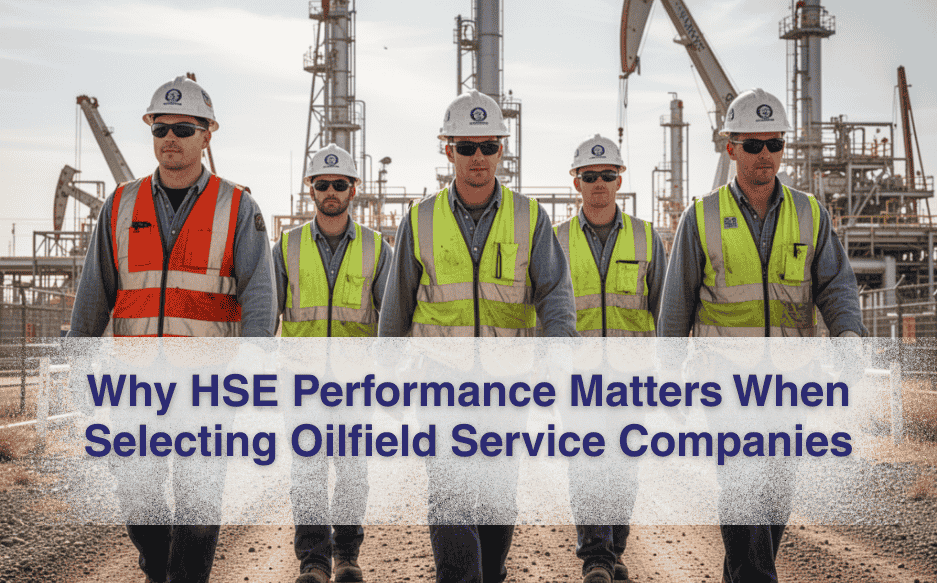
The oil and gas industry is complex and high-risk, making it essential for operators to select oilfield service partners based on more than just price or equipment availability. In the upstream sector—especially in the Middle East—Health, Safety, and Environmental (HSE) performance is now a key factor in decision‑making. Strong HSE […]
By Get global | June 29, 2026
By Get global | June 29, 2026
The Middle East has always been one of the key regions for the oil and gas industry with some of the largest hydrocarbon reserves in the world. Upstream exploration and production have been a major contributor to economic growth and energy development for many Middle Eastern countries. For instance, cities […]
By Get global | June 29, 2026
Every barrel counts. In oil and gas, even a few hours of unexpected downtime can cost companies thousands, sometimes millions of dollars. And yet, so many operators are still juggling dozens of vendors without any real system in place. It’s messy. It slows things down. And honestly, it’s holding production […]