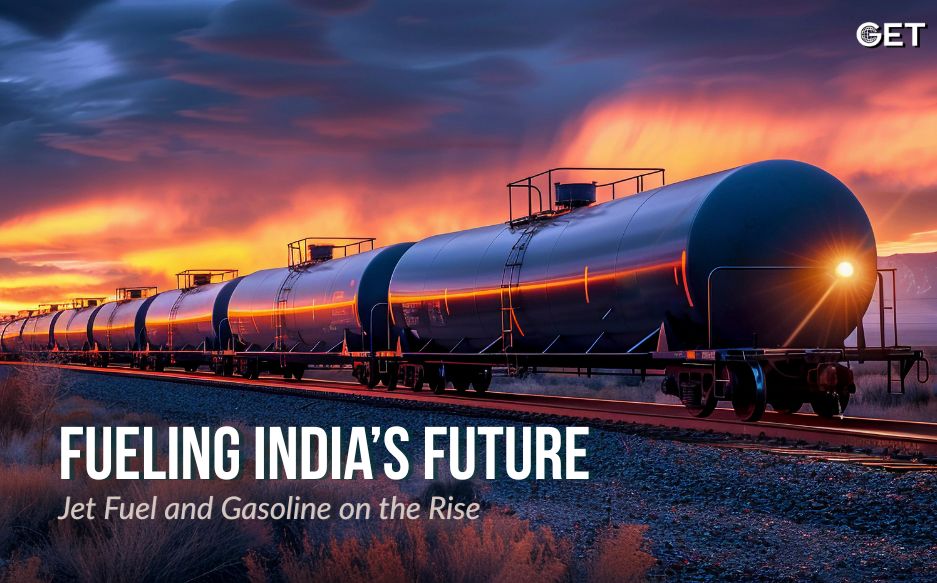
Envision India in 2030- a nation that is fuelled by the aspirations of over a billion people, driven by economic growth, rapid urban transformation, and a rising middle-class population. Across the country, infrastructure booms, air travel is at a record high, and the expansion in the automotive landscape is unmatched. Underlying this momentum is the increasing demand for oil and gas especially transport fuels- gasoline and jet fuel being amongst the most crucial ones, as they have become enablers of the Indian mobility landscape and the projected progress.
The upstream oil and gas industry is one of the primary causes of India’s growing demand for transportation fuels. Upstream is exactly where the value chain of oil starts with, which is exploration, drilling, and extraction of crude oil or natural gas from reservoirs. The efficiency and effectiveness of this segment determines the capacity of any country to meet the rising demand of transport fuels.
In recent times, India has seen nearly a surge of 6% per annum in the demand of jet fuel; it is among one of the fastest growth rates globally, which reflects greater air connectivity, a better scale of urbanization, and a significant increase in the purchasing power of the middle class. On the other hand, there is approximately a 4% increase annually up to 2030 in the consumption of gasoline, propelled by a 40% projected expansion in passenger vehicles and consistent demands for two-wheelers and three-wheelers. India’s current and forecasted landscape is unique but plays an integral part in meeting the overall energy demand globally.1
If you look at the history of India’s reliance on imports of crude oil, it currently accounts for almost 87% of requirements which has exposed its economy to price volatility and geopolitical insecurity. Identifying these vulnerabilities – India has boarded on a continuous investment drive to strengthen production especially in the upstream oil and gas industry-
These crucial steps are not only increasing the availability of crude oil for refineries but also secure reliable and cost-effective resources for India’s growing transport sector.
The output of the upstream oil and gas sector is fed straight into India’s vast refining network, where it transforms crude oil into essential fuels like jet fuel and gasoline. Whether it’s a family’s first car, a business traveller’s flight, or the vast logistics network that drives Indian commerce, this value chain highlights a glaring dependency: increases in upstream exploration and production capabilities translate into increased self-reliance, price stability, and robust supply chains for end-user mobility.
Getting back to where we started, by 2030, India is poised to record the highest growth in oil demand in the global markets, surpassing the new-age emerging markets as transport fuel will continue to be its principal growth engine. India’s ability to meet this predicted demand sustainably depends on the strength, innovation and agility of its upstream oil and gas sector.
India’s positioning in the oil and gas industry is no longer merely about consumption growth, it is about the technology driven transformation, strategic decisions, resilient footings in the energy systems. The upstream oil and gas industry stands at the crossroads of converting untapped geological potential into a fuel that in turn drives the ambition and economic advancement of the country with a population of billions of people coming together from varied need matrix.
Read Also- Upstream Oil and Gas: Exploring Key Operations and Insights
By Get global | June 30, 2026

By Get global | June 29, 2026
The oil and gas industry is complex and high-risk, making it essential for operators to select oilfield service partners based on more than just price or equipment availability. In the upstream sector—especially in the Middle East—Health, Safety, and Environmental (HSE) performance is now a key factor in decision‑making. Strong HSE […]
By Get global | June 29, 2026
By Get global | June 29, 2026
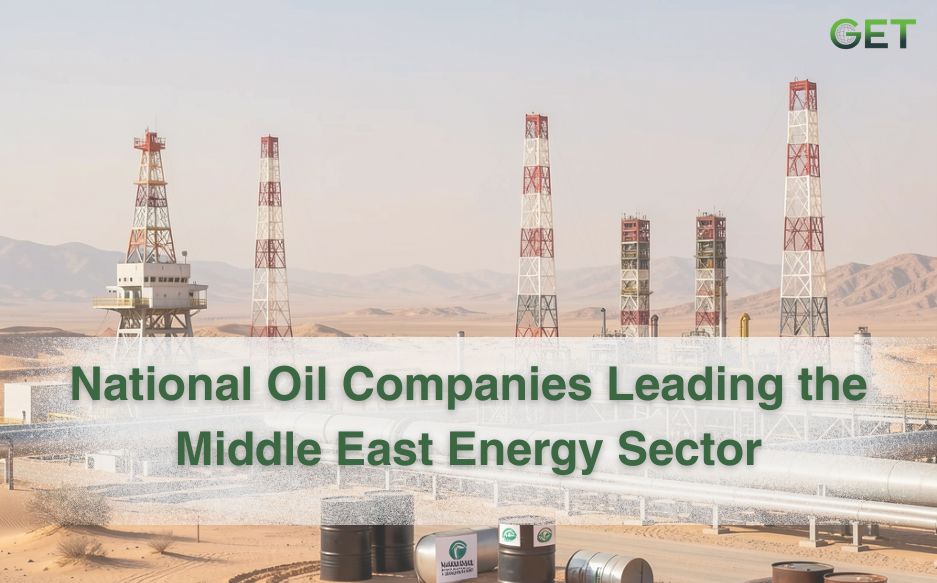
The Middle East has always been one of the key regions for the oil and gas industry with some of the largest hydrocarbon reserves in the world. Upstream exploration and production have been a major contributor to economic growth and energy development for many Middle Eastern countries. For instance, cities […]
By Get global | June 29, 2026
Every barrel counts. In oil and gas, even a few hours of unexpected downtime can cost companies thousands, sometimes millions of dollars. And yet, so many operators are still juggling dozens of vendors without any real system in place. It’s messy. It slows things down. And honestly, it’s holding production […]