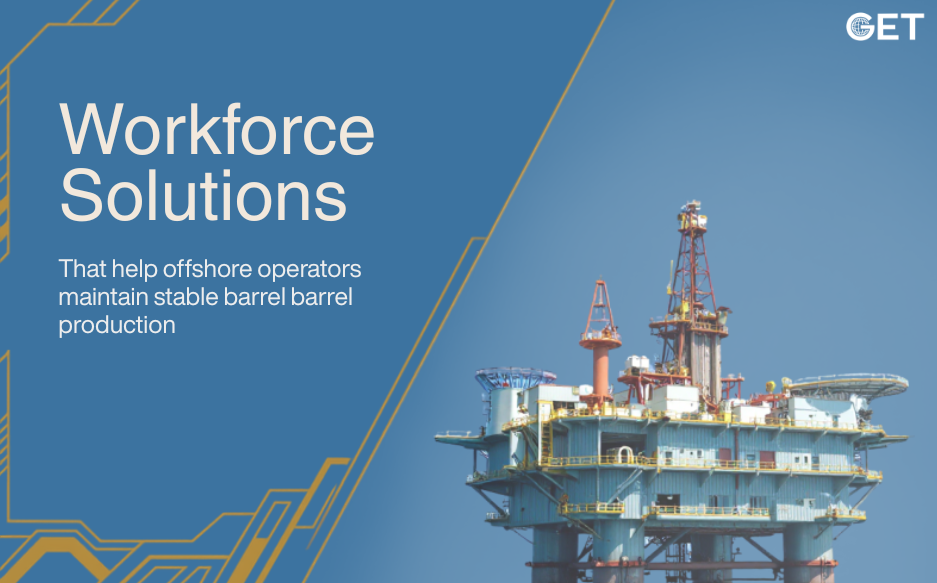
The offshore oil and gas sector has always been a high-stakes environment where margins are tight, environments are harsh, and operational downtime can cost millions of dollars per day. In today’s energy landscape, the mandate for offshore operators is clearer than ever: maintain stable barrel production while optimizing operational expenditure (OPEX).
While cutting-edge automation, digital twins, and industrial IoT sensors dominate technology headlines, the true backbone of production stability remains the human element. Managing complex offshore assets requires an agile, highly competent, and resilient workforce.
However, operators face a perfect storm of labour challenges. An ageing demographic often referred to as the “Great Crew Change”—combined with a widening skills gap and fluctuating production cycles makes talent retention and deployment incredibly difficult. To maintain steady flow assurance and prevent catastrophic equipment failures, upstream companies must look beyond traditional recruitment and embrace strategic workforce solutions.
Here is a deep dive into the workforce strategies that are helping offshore operators bridge the competency gap, streamline project lifecycles, and secure uninterrupted production.
Maintaining consistent barrel production requires precise execution during routine operations, preventative maintenance, and unexpected shutdowns. A single mistake by an unqualified technician on a floating production storage and offloading (FPSO) unit or a deepwater platform can halt production entirely.
Offshore environments demand niche technical expertise across multiple disciplines:
To mitigate the skills shortage, progressive operators are partnering with global workforce solutions providers that maintain dedicated talent pipelines. Instead of relying on generalized staffing agencies, upstream companies require technical specialists who possess verified certifications (such as BOSIET, HUET, and specific IWCF or OPITO standards) and a proven track record in harsh offshore environments. Securing a steady stream of pre-qualified personnel ensures that critical roles are never left vacant, minimizing the operational friction that threatens daily barrel targets.
Managing the logistical and administrative burden of a massive offshore workforce can easily distract operators from their core objective: extracting hydrocarbons. From managing complex hitch schedules and visa mobilizations to coordinating helicopter transfers and catering, the overhead of crew management is immense.
This is where turnkey workforce solutions offer a massive competitive advantage. By outsourcing the entire lifecycle of personnel management to an expert partner, offshore operators can transition from a rigid fixed-cost model to a flexible variable-cost model.
In the upstream oil and gas industry, scheduled maintenance shutdowns—commonly known as turnarounds (TARs)—are a necessary evil. They are vital for maintaining long-term asset integrity and production efficiency, but every day an asset is offline represents a temporary loss of barrel production.
Delays during a turnaround are almost always linked to workforce inefficiencies: poor communication, labour shortages, lack of tool time, or competency gaps among contracted crews.
To execute turnarounds on time and within budget, operators must deploy targeted workforce strategies:
By utilizing structured workforce solutions tailored specifically for brownfield modifications and TAR campaigns, operators can minimize the duration of planned outages and safely bring production headers back online ahead of schedule.
The connection between workforce mental well-being and stable barrel production is often overlooked, yet it is a critical driver of operational safety and efficiency. Offshore life is inherently stressful. Crews work long, grueling hours on remote assets, cut off from their families for weeks or months at a time.
A high-pressure, low-morale environment leads to mental fatigue, complacency, and high turnover rates—all of which increase the risk of costly operational errors or safety incidents.
Operators must actively invest in building a healthy psychosocial working environment:
A supported, engaged, and mentally sharp crew operates with higher situational awareness. This directly translates to fewer safety incidents, better equipment upkeep, and a steady, predictable production curve.
Traditional workforce management in the energy sector has long been plagued by heavy paperwork and siloed communication. When crew changes rely on manual spreadsheets or outdated software, errors happen. A missed certificate update can prevent a key engineer from boarding a chopper, leaving a critical offshore post unmanned.
Digital transformation is drastically changing how operators manage their field teams. Modern, proprietary mobile platforms—such as dedicated crew applications—allow companies to maintain a highly agile workforce.
Conclusion: The Strategic Value of the Right Workforce Partner
In the offshore oil and gas industry, maintaining stable barrel production requires a perfect harmony of technology, geology, and human capability. While engineering solutions solve technical challenges, workforce solutions solve operational execution challenges.
By partnering with an experienced global energy services provider like GET Global Group, operators gain access to a comprehensive suite of workforce capabilities. From sourcing elite upstream technical talent and managing complex turnkey crew logistics to deploying modern digital tools that eliminate administrative friction, GET Global Group helps operators’ de-risk their human capital strategy.
In a volatile market where every barrel counts, securing an efficient, compliant, and motivated offshore workforce isn’t just an HR objective—it is a fundamental pillar of production stability and long-term asset profitability.
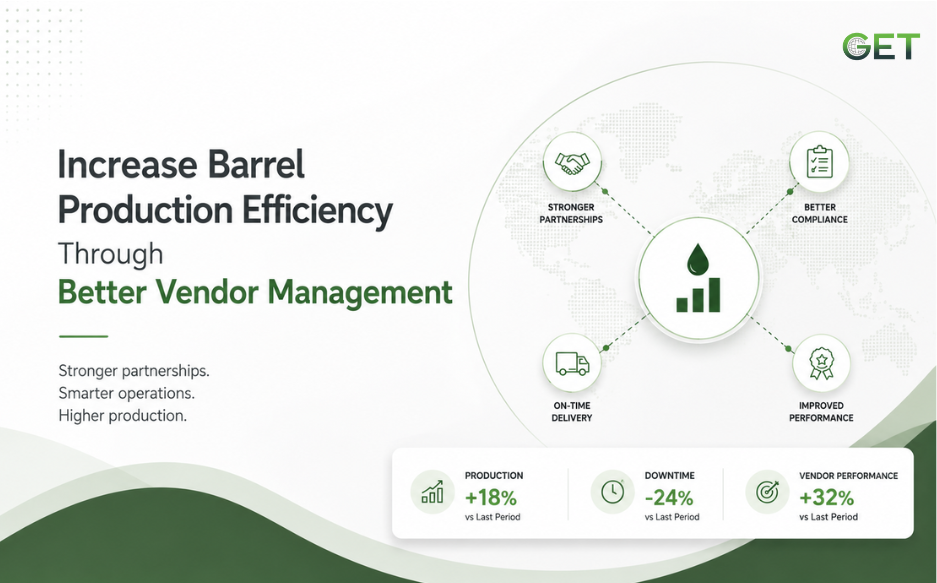
Read Also- How Vendor Management Services Help Increase Daily Oil Production and Reduce Downtime
By Get global | June 23, 2026
By Get global | June 23, 2026
In upstream oil and gas, the margin between a profitable well and an underperforming one is rarely just a matter of geology. It comes down to execution, and execution depends heavily on the vendors, contractors, and service providers working alongside operators every single day. When equipment arrives late, when a […]
By Get global | June 23, 2026
A drilling superintendent I spoke with last year summed it up better than most. His team had just missed their annual production number. Budget wasn’t the issue. The acreage was solid. Wells had been drilled. But three reservoir engineering seats were running on skeleton cover for the better part of […]
By Get global | June 23, 2026
The oil and gas sector forms a significant component of the world’s economic system, providing energy sources for transport, electricity generation, and production processes. The upstream sector entails exploration and production, which are usually carried out in difficult and dangerous conditions. Efficiency, safety, and effective management of manpower are vital […]
By Get global | June 18, 2026
The Shift Happening Across Oil Fields Right Now Walk into any modern upstream oil and gas operation today and the difference from ten years ago is immediate. The clipboards are gone. The radio calls for production data have been replaced by dashboards. The guesswork around daily barrel counts has given […]