A drilling superintendent I spoke with last year summed it up better than most. His team had just missed their annual production number. Budget wasn’t the issue. The acreage was solid. Wells had been drilled. But three reservoir engineering seats were running on skeleton cover for the better part of eight months, and everyone quietly knew it.
“We had the barrels,” he told me. “We just didn’t have the right people to get them out properly.”
That kind of thing happens more often in the upstream oil and gas industry than anyone likes to talk about. Companies invest heavily in acreage, rigs, and capital programmes, then treat technical staffing in oil and gas as something to sort out later or trim when margins tighten. It’s a pattern that costs the industry a staggering amount in deferred production, avoidable NPT and underperforming assets.
Upstream Operations Are Only as Good as the People Running Them
Strip away the technology and the capital, and upstream operations come down to judgment calls made by experienced people under pressure. A drilling engineer who’s seen a particular formation behave badly before will catch something a less experienced person walks straight past. A reservoir engineer who’s been living with a model for two years sees things in the data that nobody else does.
This is why oilfield technical experts, your reservoir engineers, drilling and completion specialists, production technologists, geoscientists, HSE leads and wellsite supervisors aren’t just filling seats. They’re the mechanism by which an asset either delivers or disappoints. Drilling crew staffing, in particular, is one place where the gap between ‘experienced hands’ and ‘warm bodies’ shows up almost immediately in wellbore quality and rig time.
What Understaffing Actually Looks Like in Upstream Operations
Staffing gaps in upstream operations rarely announce themselves as staffing gaps. They disguise themselves as other problems, slow decisions, creeping NPT, and a reservoir model nobody’s updated in six months. A few patterns come up again and again:
Why Oil and Gas Recruitment Is Tougher Right Now
The people managing oil and gas recruitment across the upstream sector are dealing with a market that’s been squeezed from multiple directions at once.
The retirement of the 1970s–80s generation of engineers is accelerating faster than many succession plans were built to handle. What leaves with those oilfield technical experts isn’t just headcount, it’s formation-level knowledge that took decades to build and can’t be written into an onboarding document.
At the same time, younger engineers are thinking harder about long-term career paths in the upstream oil and gas industry. The energy transition has made it a real question rather than a theoretical one. Operators who can answer it honestly tend to win the oil and gas recruitment battle. Those who dodge it tend to lose.
And the cuts of 2015 and 2020 left structural gaps that are still playing out. Mid-career oilfield technical experts who left the upstream oil and gas industry during those downturns mostly didn’t return. The ones who stayed got promoted into roles ahead of their experience. That mismatch is sitting in senior technical seats today.
Read Also- How Vendor Management Services Help Increase Daily Oil Production and Reduce Downtime
Energy Industry Workforce Solutions That Make a Difference
The operators who consistently hit their numbers across upstream operations approach energy industry workforce solutions differently. A few habits stand out.
They plan technical staffing in oil and gas the same way they plan drilling programmes with timelines and owners. If you’re drilling ten wells next year, you should know what roles you need and when, not six weeks before spud.
They build drilling crew staffing relationships before they need them urgently. A contractor who already knows your asset and your culture performs differently from someone parachuted in at the last minute. That relationship takes time to build, which is exactly why it needs to start before the gap appears.
They use specialist energy industry workforce solutions providers rather than generalists. Someone who genuinely understands upstream operations knows the difference between a reservoir characterization geologist and a production geologist. They know which oilfield technical experts are available before those people are actively looking, and they can move quickly when it matters.
They also take knowledge transfer seriously, not as an HR formality, but as a real operational risk. When a senior engineer retires, the conversation about what they know needs to happen well before their last day.
The Point Is Simple, Even If the Fix Isn’t
When upstream operations underdeliver, the conversation defaults to geology. But a lot of the time, more than the industry acknowledges, the real issue is that the technical team didn’t have what the asset needed.
Rethinking oil and gas recruitment strategy, getting serious about drilling crew staffing before programmes kick off, investing in energy industry workforce solutions that actually understand the upstream oil and gas industry, none of this is complicated in principle. It just requires treating technical staffing in oil and gas as a production priority rather than an afterthought.
Because at the end of the day, upstream operations don’t run on steel and capital alone. They run on people who know what they’re doing. Get that part right, and everything else has a much better chance of following.
Read Also- Workforce Solutions That Help Offshore Operators Maintain Stable Barrel Production
By Get global | June 23, 2026
By Get global | June 23, 2026
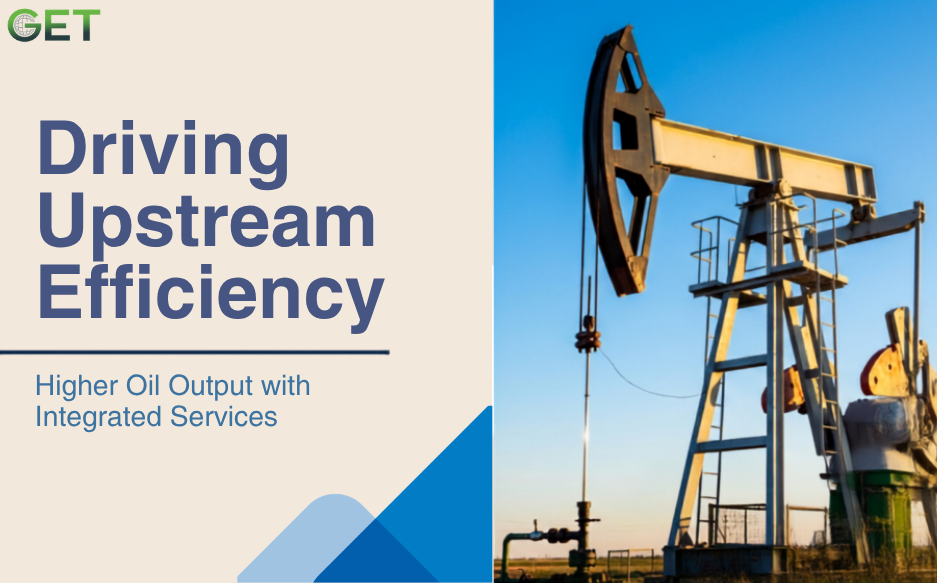
In upstream oil and gas, the margin between a profitable well and an underperforming one is rarely just a matter of geology. It comes down to execution, and execution depends heavily on the vendors, contractors, and service providers working alongside operators every single day. When equipment arrives late, when a […]
By Get global | June 23, 2026
The oil and gas sector forms a significant component of the world’s economic system, providing energy sources for transport, electricity generation, and production processes. The upstream sector entails exploration and production, which are usually carried out in difficult and dangerous conditions. Efficiency, safety, and effective management of manpower are vital […]
By Get global | June 18, 2026
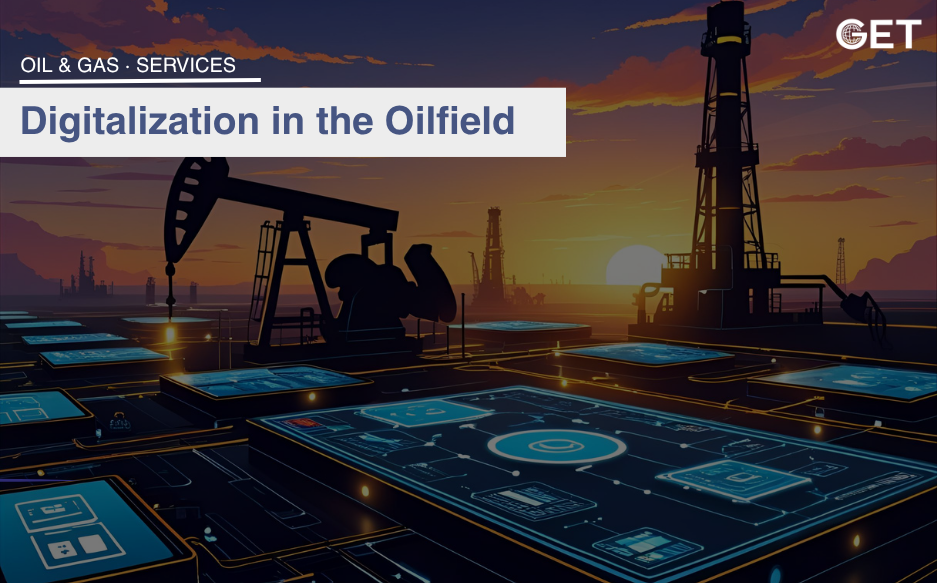
The Shift Happening Across Oil Fields Right Now Walk into any modern upstream oil and gas operation today and the difference from ten years ago is immediate. The clipboards are gone. The radio calls for production data have been replaced by dashboards. The guesswork around daily barrel counts has given […]
By Get global | June 8, 2026
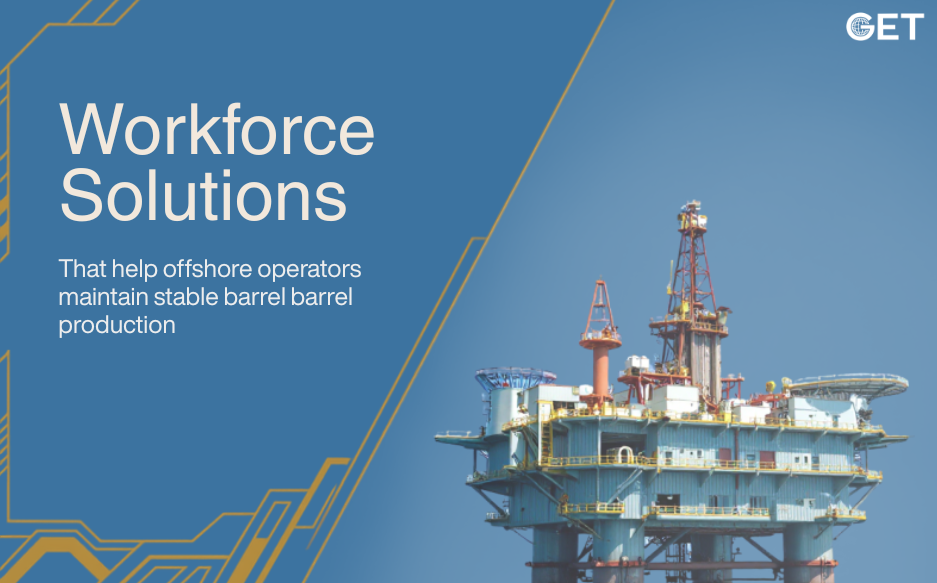
The offshore oil and gas sector has always been a high-stakes environment where margins are tight, environments are harsh, and operational downtime can cost millions of dollars per day. In today’s energy landscape, the mandate for offshore operators is clearer than ever: maintain stable barrel production while optimizing operational expenditure […]