October 13, 2023
I’ll be honest with you — when I first started paying attention to the energy sector, I thought it was simple. Oil goes up, oil goes down. Renewables are growing. Done.
But the more you dig into it, the messier and more fascinating it gets. Because right now, we’re not just watching energy prices shift. We’re watching the entire foundation of how the world powers itself start to crack and rebuild — at the same time.
That’s a weird thing to witness. And it creates a weird situation for everyone involved, especially upstream oil and gas companies that are caught right in the middle of it.
So let’s talk about what’s actually happening. Not the buzzwords. Not the press releases. The real stuff.
Fossil fuels still run the world. I know that’s not the exciting headline anyone wants, but it’s true. Oil, coal, and natural gas account for over 80% of global energy consumption as of 2025. That number has barely budged in over a decade despite all the renewable energy investments.
Does that mean renewables are failing? No. It means energy demand is growing faster than renewables can currently replace fossil fuels. More people, more factories, more data centers, more everything. The world is hungry for power — and right now, we need all sources running simultaneously just to keep up.
That context matters. Because a lot of the energy transition conversation ignores it. And when you ignore it, you end up with unrealistic expectations and bad policy decisions.
Upstream oil and gas companies aren’t going anywhere in the short to medium term. But how they operate — and how they’re perceived — is changing fast. That’s where things get interesting.
Okay, let’s talk tech. Because this is where real progress is happening, and some of it is genuinely impressive.
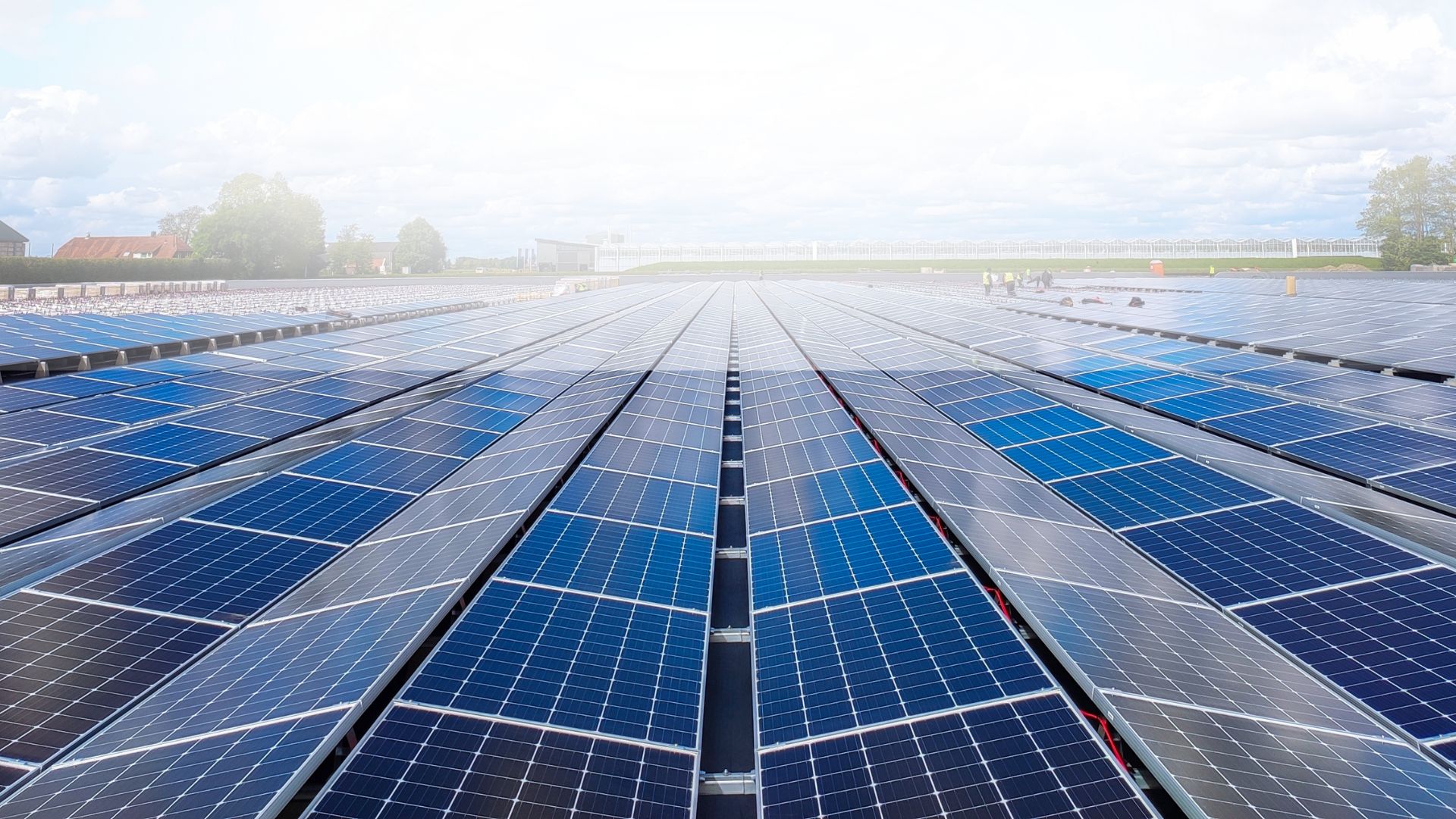
Ten years ago, economists were debating whether solar would ever be cost-competitive with coal. Today, it’s not even a debate anymore. In most parts of the world, building new solar or wind capacity is now cheaper than running an existing coal plant. That shift happened faster than almost anyone predicted.
Offshore wind is getting massive — literally. New turbines being deployed off the coasts of the UK and the US are tall enough to make the Statue of Liberty look small. Each one generates enough electricity to power thousands of homes. India, which not long ago was one of the world’s biggest coal users, is now building solar capacity at a breakneck pace.
The speed of this is staggering. And it creates genuine urgency for upstream oil and gas companies to rethink their long-term role.
Hydrogen has been the ‘fuel of the future’ for about 40 years now, which has made a lot of people skeptical. And fair enough. But something feels different this time around.
Green hydrogen — made by splitting water using renewable electricity — produces no carbon emissions. It can be stored, transported, and burned like natural gas. For industries like steel, shipping, and aviation that can’t easily run on electricity, green hydrogen might be the only realistic decarbonization option.
Germany is building import terminals. Japan has staked a significant portion of its energy policy on hydrogen. Australia is eyeing it as a major export opportunity. Several upstream oil and gas companies have already started investing, partly because they already know how to handle pressurized gases and pipelines.
It’s not cheap yet. The technology needs to scale. But the trajectory is real.
Carbon capture, utilization, and storage — CCUS — is one of those technologies that manages to upset almost everyone. Environmentalists often see it as an excuse for oil companies to keep drilling. The oil industry sometimes oversells it as a silver bullet.
The truth is somewhere messier in the middle. CCUS works. There are operational projects in Norway, Canada, and the US that are genuinely capturing and storing carbon underground. The question is scale and cost. It’s still expensive. And it requires massive infrastructure.
But here’s the thing: if we’re serious about hitting global climate targets, most credible scientific models include significant CCUS deployment. Not instead of renewable energy — alongside it. Upstream oil and gas companies that are investing in this technology now might find themselves sitting on something valuable.
Renewable energy has one obvious problem — it’s intermittent. The sun sets. The wind stops. And without storage, your grid goes dark.
Battery technology is finally starting to solve this at scale. Grid-scale battery installations are popping up across California, Australia, and the UK. They’re not perfect yet. They’re still expensive for very long-duration storage. But for balancing daily supply and demand swings, they’re working.
Solid-state batteries, iron-air batteries, and other next-generation technologies are in development. If even a couple of them deliver on their promise, the economics of a fully renewable grid shift dramatically.
Let’s get specific, because this is where the rubber meets the road.
Upstream oil and gas companies — the ones actually finding and extracting oil and gas from the ground or seabed — are under pressure from multiple directions at once. Regulators want less methane flaring. Investors want decarbonization roadmaps. Communities want cleaner operations. And all of this is happening while global oil demand is still growing in parts of Asia and Africa.
It’s a genuinely difficult position. And I don’t think it helps anyone to pretend otherwise.
One thing that doesn’t get enough attention: methane leaks from upstream oil and gas operations are a massive climate issue. Methane is a far more potent greenhouse gas than CO2 in the short term. And a lot of it leaks — from wells, pipelines, valves, tanks — often without operators even knowing.
The good news? This is fixable. New sensor technology, satellite monitoring, and AI-powered detection systems can now identify leaks in near real-time. Some companies are already deploying these tools and cutting their methane emissions significantly. It’s not glamorous, but it might be one of the highest-impact things the industry can do right now.
Many drilling rigs and production facilities still run on diesel generators. Switching them to grid power — or even on-site solar and battery systems — can significantly cut operational emissions. Several upstream oil and gas companies operating in Alberta, the Permian Basin, and the North Sea are already doing this.
It also saves money in the long run. Diesel is expensive. Grid electricity is often cheaper. The transition isn’t always easy, but the economics are increasingly pointing in the right direction.
Some of the big players — BP, Shell, TotalEnergies — have made significant bets on renewables and low-carbon energy. Some of those bets have paid off. Some haven’t. BP famously pulled back on some of its renewable energy targets after facing pressure from shareholders who wanted better returns.
That’s the honest reality of energy transition for publicly traded companies. They have to balance long-term strategy with short-term financial performance. It’s messy.
Smaller upstream oil and gas companies face a different version of the same challenge. They don’t always have the balance sheets to invest in major diversification. But they can still take meaningful steps — reducing emissions, adopting cleaner technologies, engaging with ESG frameworks seriously.
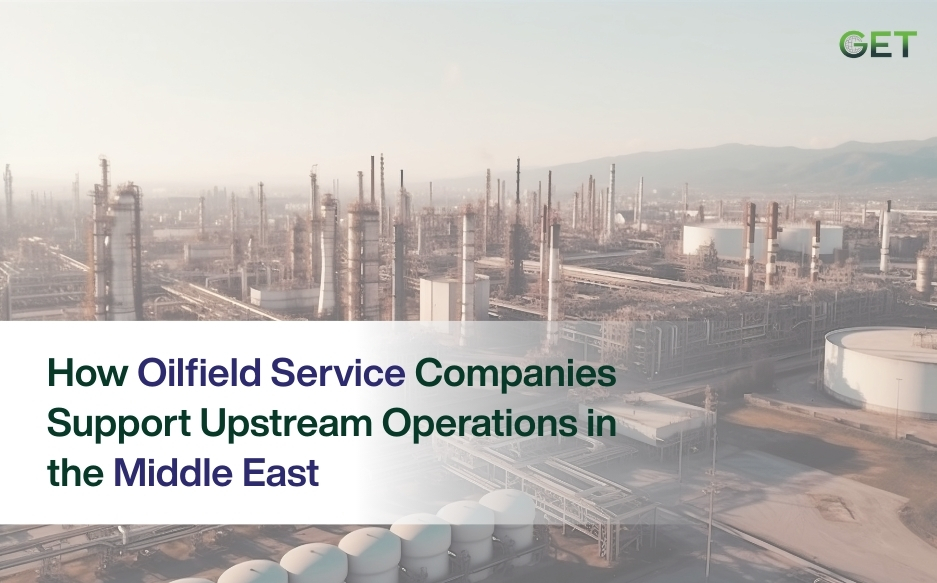
Read Also- How Oilfield Service Companies Support Upstream Operations in the Middle East
Here’s where I want to be straight with you. Progress is happening. Real progress. But it’s not happening fast enough to meet global climate targets. That’s not my opinion — it’s what the data shows.
In countries where coal is being replaced by gas and renewables, air quality is genuinely improving. In the UK, coal power generation has essentially ended. In the US, the shift from coal to natural gas cut power sector emissions noticeably. These are real wins.
At the same time, air pollution from fossil fuel combustion still kills millions of people every year globally. Most of those deaths are in lower-income countries where energy transitions are happening more slowly. That’s a justice issue as much as an environmental one.
Energy production and water use are deeply connected, and it’s something the industry doesn’t talk about enough. Hydraulic fracturing uses enormous amounts of water. Thermal power plants need water for cooling. In water-stressed regions — and there are more of them every year — this creates real conflict.
Recycling produced water, using air cooling, and adopting closed-loop systems are all technologies that upstream oil and gas companies can deploy. Some are doing it. More need to.
Every energy source takes up space. Solar farms, wind turbines, oil fields — they all have footprints. The question is how you minimize impact and how you restore what gets disrupted.
Directional drilling has allowed upstream oil and gas companies to access multiple reservoirs from a single surface location — dramatically reducing their land footprint compared to 20 years ago. That’s genuinely good progress. But there’s more to be done, especially in ecologically sensitive areas.
Technology matters. But honestly? Policy and money matter more. Because technology doesn’t deploy itself.
The US Inflation Reduction Act poured hundreds of billions of dollars into clean energy incentives. The EU’s carbon market has finally reached prices high enough to actually change business behavior. India’s renewable energy targets are backed by real government action. These policies are moving markets.
For upstream oil and gas companies, this matters because the cost of carbon is going up. Regulatory requirements are tightening. And access to capital is increasingly tied to how seriously companies take their environmental responsibilities.
ESG investing is sometimes dismissed as a trend. But the underlying reality — that investors want to understand climate-related risks in their portfolios — isn’t going away. Companies that engage with this seriously will have better access to financing. Companies that don’t may find their cost of capital creeping up in uncomfortable ways.
Let me give you something practical rather than just more commentary.
I started this piece by saying the energy sector is messier and more fascinating than it looks. I hope by now you see what I mean.
The narrative of ‘oil bad, renewables good’ is too simple. So is ‘renewables aren’t ready, keep drilling.’ The reality is that we need an all-of-the-above approach for the next couple of decades — alongside a serious push to accelerate the transition as fast as responsibly possible.
Upstream oil and gas companies are not the villains of this story, but they can’t be bystanders either. The companies that will come out ahead are the ones that take environmental responsibility seriously, invest in cleaner operations, and start building capabilities in the energy landscape of tomorrow — while still doing their jobs in the energy landscape of today.
That’s a hard balance. Nobody said it was going to be easy. But it’s the challenge in front of the industry right now. And the companies paying attention — really paying attention — have a real shot at navigating it well.
Written from the perspective of someone who thinks the energy transition is both more urgent and more complicated than most coverage suggests.
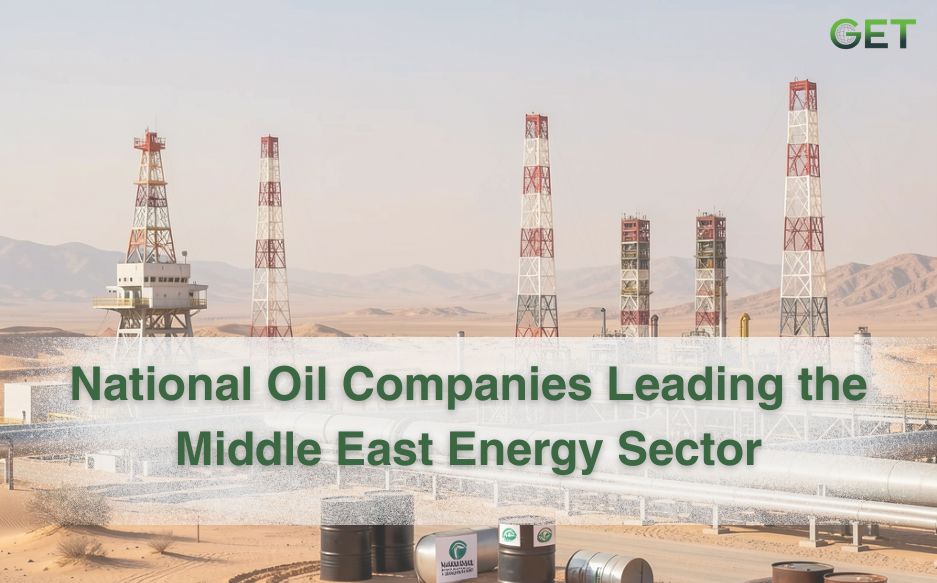
Read Also- National Oil Companies Leading the Middle East Energy Sector
By Get global | June 30, 2026

By Get global | June 29, 2026
The oil and gas industry is complex and high-risk, making it essential for operators to select oilfield service partners based on more than just price or equipment availability. In the upstream sector—especially in the Middle East—Health, Safety, and Environmental (HSE) performance is now a key factor in decision‑making. Strong HSE […]
By Get global | June 29, 2026
By Get global | June 29, 2026
The Middle East has always been one of the key regions for the oil and gas industry with some of the largest hydrocarbon reserves in the world. Upstream exploration and production have been a major contributor to economic growth and energy development for many Middle Eastern countries. For instance, cities […]
By Get global | June 29, 2026
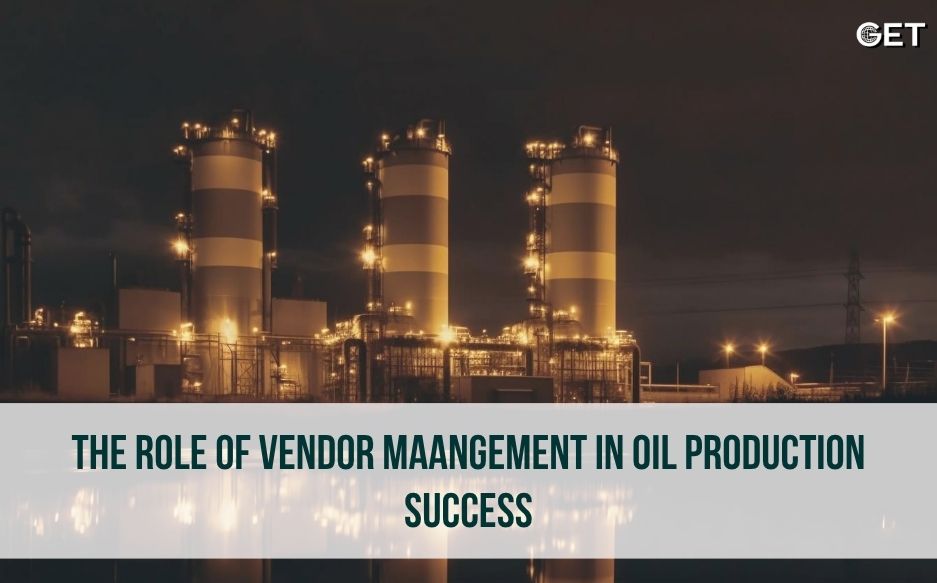
Every barrel counts. In oil and gas, even a few hours of unexpected downtime can cost companies thousands, sometimes millions of dollars. And yet, so many operators are still juggling dozens of vendors without any real system in place. It’s messy. It slows things down. And honestly, it’s holding production […]