Effectively managing risks within the oil and gas industry demands a meticulous blend of foresight, innovation, and resilience. In this complex sector, risk mitigation strategies are crucial for ensuring operational stability, safeguarding financial investments, and upholding stringent health, safety, and environmental standards. Amidst the diverse array of challenges faced by the industry, the upstream sector, comprising exploration and production, presents a unique set of risks that necessitate tailored and strategic approaches for effective management. Here, in this blog we explore risk management specifically within the context of upstream oil and gas operations, exploring effective strategies to navigate the multifaceted challenges of cost risks, operational hazards, and the imperative of health, safety, and environmental sustainability.
The volatility in commodity prices coupled with geopolitical uncertainties pose significant challenges in cost management within the upstream oil and gas sector. Some of the more notable risks that need to be effectively managed are discussed below.
Amidst market volatility, oil and gas companies must adopt portfolio diversification strategy. Balancing investments across different regions and resource types helps mitigate risks associated with price fluctuations, thus fortifying against market uncertainties.
There is need to integrate state-of-the-art technologies to drive a transformative shift in exploration and production. Advanced seismic imaging, AI-driven analytics, and robotics help to optimize operational efficiencies, reducing exploration costs and enhancing accuracy in resource identification.
Oil and gas companies can leverage financial instruments like futures contracts and options to buffer against price volatility. Effective hedging locks in prices, insulating revenues from market downturns and ensuring stability during tumultuous market conditions.
Collaborative ventures and strategic alliances enable the pooling of resources and expertise. Sharing risks and rewards with partners helps in navigating uncertainties collectively, fostering growth opportunities while reducing individual risk exposure.
The intricate nature of upstream oil and gas operations necessitates a proactive approach to mitigate operational hazards.
Prioritizing safety mandates stringent protocols and continual risk assessments. Comprehensive training programs, coupled with real-time monitoring and preventive maintenance, foster a culture of safety, significantly reducing the potential for accidents.
By harnessing the power of data analytics, upstream oil and gas companies can optimize operations and risk management. Predictive maintenance, utilizing IoT devices and machine learning algorithms, not only minimizes downtime but also forecasts potential equipment failures, averting operational disruptions.
Developing exhaustive contingency plans encompassing diverse scenarios—from equipment malfunctions to natural disasters—equips oil and gas companies to respond swiftly and effectively. Regular simulations and scenario-based training reinforce preparedness for crisis management.
Upholding the highest standards in health, safety, and environmental practices remains paramount for sustainable operations in the upstream sector.
Constant vigilance regarding evolving regulations is crucial. Regular audits, robust compliance frameworks, and proactive engagement with regulatory bodies ensure alignment with stringent HSE standards.
Nurturing relationships with local communities and stakeholders through transparent communication and community engagement initiatives fosters mutual trust. Such collaborations mitigate conflicts and secure social acceptance, crucial for sustained operations.
Conducting rigorous environmental impact assessments prior to operations minimizes ecological risks. Adhering to best practices in waste management, emissions control, and habitat restoration underscores a commitment to environmental stewardship.
The upstream oil and gas sector, a landscape rife with volatility, demands multifaceted risk management strategies. These strategies, encompassing financial resilience, operational excellence, and unwavering dedication to HSE standards, fortify companies against uncertainties.
By embracing technological innovations, cultivating a safety-centric ethos, and fostering sustainable practices, organizations pave the path to resilience and longevity in an ever-evolving industry. Adapting these comprehensive risk management strategies not only safeguards operations but also ensures enduring success amidst the fluidity of the industry’s landscape.
Commitment to environmental preservation is also important. Beyond regulatory compliance, oil and gas companies can proactively initiate sustainability programs. Notably, utilizing advanced technologies like carbon capture and storage (CCS) can help to minimize the ecological footprint of operations, aligning with global sustainability goals.
The holistic approach to risk management in upstream operations thus, extends beyond conventional methods. As the industry evolves, a proactive stance towards technological innovation, robust contingency planning, and an unwavering commitment to HSE standards remains paramount. By embracing these multifaceted strategies, the upstream oil and gas industry cannot only navigate risks but also pave the way for sustainable growth and resilience in a volatile environment.
Read Also- The Importance of Global Expertise for Crew Members in the Energy Industry
By Get global | June 30, 2026

By Get global | June 29, 2026
The oil and gas industry is complex and high-risk, making it essential for operators to select oilfield service partners based on more than just price or equipment availability. In the upstream sector—especially in the Middle East—Health, Safety, and Environmental (HSE) performance is now a key factor in decision‑making. Strong HSE […]
By Get global | June 29, 2026
By Get global | June 29, 2026
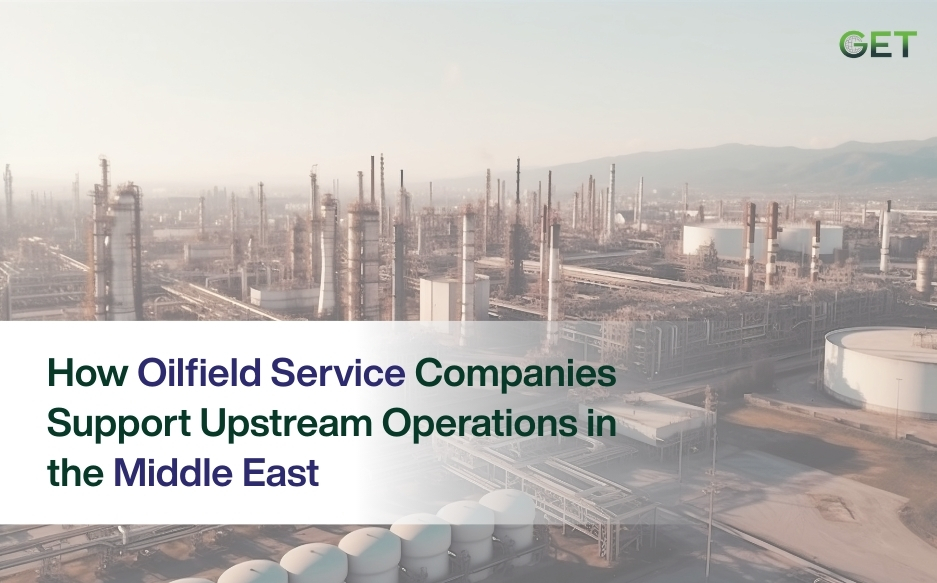
The Middle East has always been one of the key regions for the oil and gas industry with some of the largest hydrocarbon reserves in the world. Upstream exploration and production have been a major contributor to economic growth and energy development for many Middle Eastern countries. For instance, cities […]
By Get global | June 29, 2026
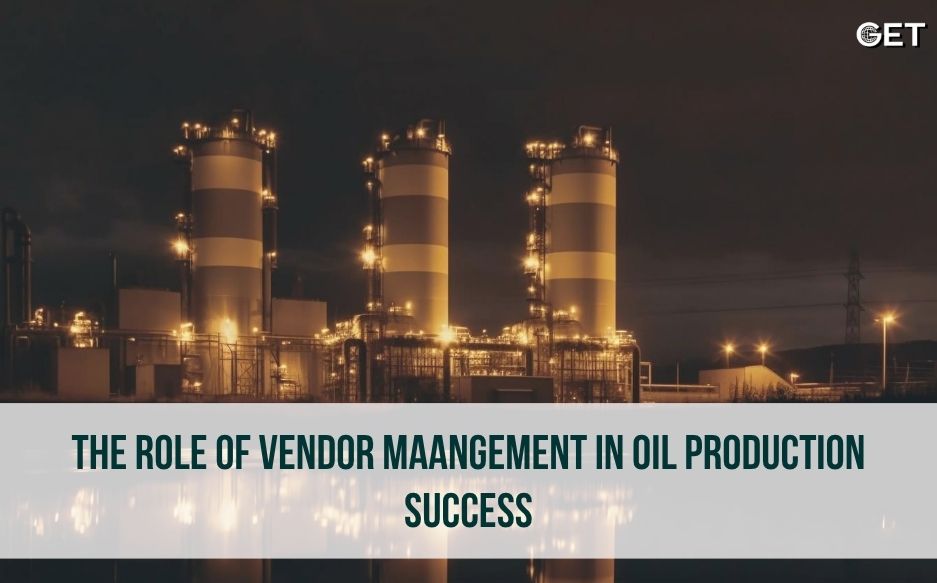
Every barrel counts. In oil and gas, even a few hours of unexpected downtime can cost companies thousands, sometimes millions of dollars. And yet, so many operators are still juggling dozens of vendors without any real system in place. It’s messy. It slows things down. And honestly, it’s holding production […]