The upstream oil and gas is much changing. The industry needs the most up-to-date technology for a firm to ensure performance, cost-cutting, and safety. Automation, data-driven decision-making, and so much more are making and smoothening the operations by technological development.
Technology is helping oil and gas companies explore, drill, and produce oil more efficiently. AI, big data, automation, and cloud computing are changing things dramatically.
Digital Oil Fields: Companies now use real-time data from sensors placed on equipment. Shell’s Smart Fields technology allows engineers to monitor and adjust production from afar, increasing efficiency by a significant margin.
Automation & Robotics: Inspection activities at offshore rigs are now performed with drones and robotic systems, thereby reducing the chances of mishaps for operators and speeding up the inspection process. For instance, TotalEnergies employs autonomous robots for offshore maintenance that supports safety.
AI & Big Data: For example, AI analyzes seismic data to discover more oil reserves quickly. ExxonMobil and other companies utilize AI tools for enhancing drilling accuracy, not waste resources, and optimizing production.
Cloud Computing: The companies hold a lot of data in the cloud, thus enabling teams all over the globe to collaborate and conduct real-time data analysis. BP adopted cloud computing to enable the company to further streamline processes and to help in making better decisions in real time.
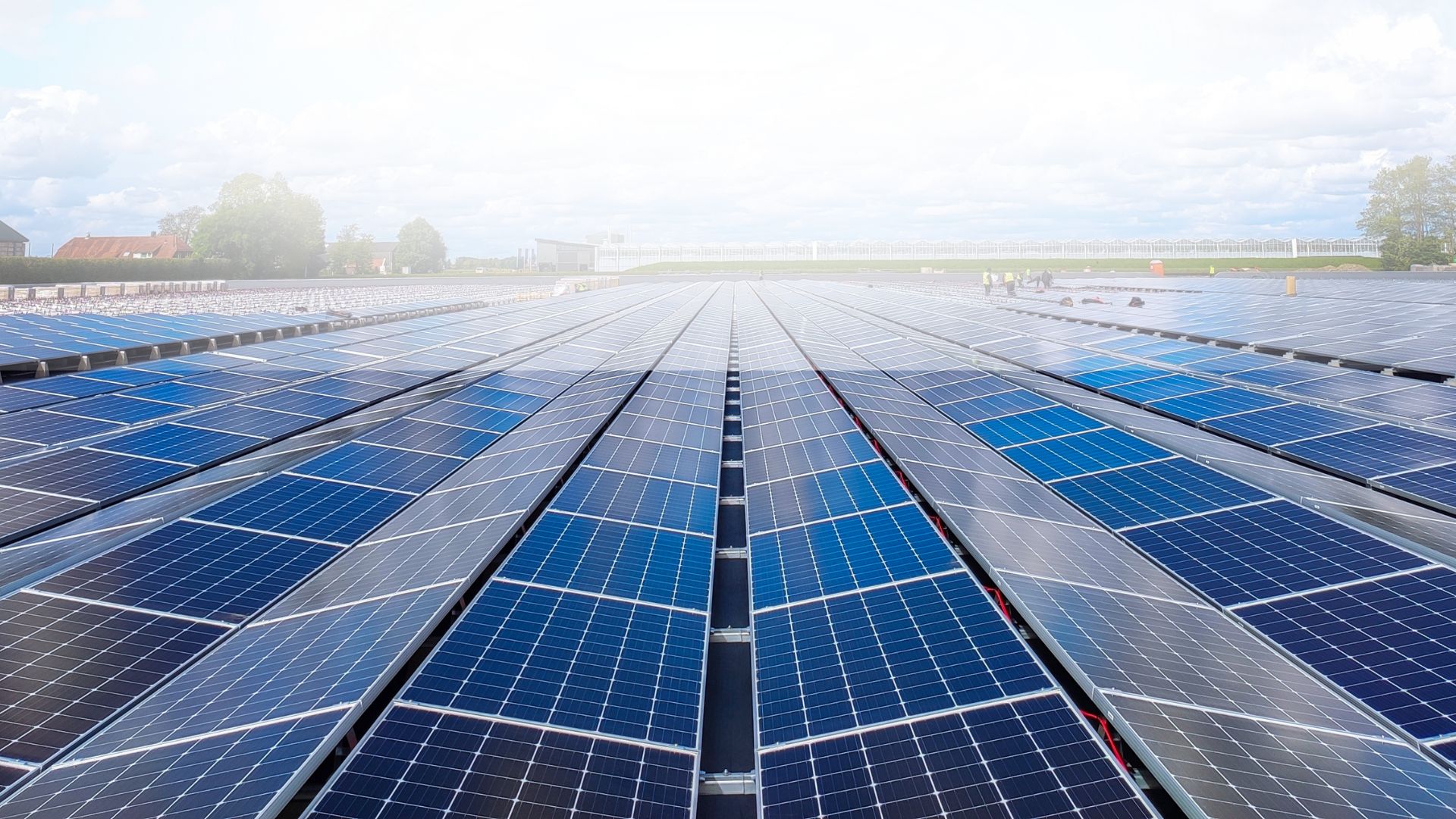
Alternative Energy Solutions: Companies are embracing solar panels powering drilling operations to far-flung drilling sites as a way to reduce their carbon footprint. An example is how Saudi Aramco created the first solar rigs that reduce carbon emissions.
The oil and gas industry will transform into being more efficient, safer, and cheaper. Such companies will emerge at the helm with a better competitive advantage over other companies. This will contribute to sustainability as well.
Skilled labour is critical in upstream operations. AI-based training modules enable workers to work remotely and upgrade their skills. For example, Halliburton offers virtual reality (VR) training to its engineers, which removes learning curves and increases safety awareness.
Predictive analytics is revolutionizing the game in equipment maintenance. AI-driven tools can identify problems before they cause equipment failure. Chevron, for example, uses predictive maintenance to track drilling rigs and minimize unplanned downtime and increase asset lifespan.
With the help of IoT technology, firms can operate their facilities remotely and with minimal human interference in hazardous environments. The offshore rigs nowadays use sensors, which send the real-time performance data to decrease the need for on-site inspection.
Huge issue is protecting employees and regulatory compliance. Companies can implement safety checks and monitor compliance automatically. For example, real-time monitoring of workplace hazards with AI at ExxonMobil has brought comprehensive safety.
With the industry shifting toward lower carbon emissions, integration of sustainable energy solutions is fast becoming a priority. There are now operational rigs that combine traditional drilling with solar and wind power.
The oil and gas industry are moving towards digitization and automation. Companies, which are spending on AI, automation, and sustainability, would be ahead of the curve. Leaders such as BP, ExxonMobil, and Shell already implement these technologies to enhance efficiency in operations.
The future will observe an increased use of digital twins, which are virtual copies of any physical assets that can be analyzed and tracked. In addition, AI-based decision-making will enhance the operation of an oilfield.
The adoption of cutting-edge technology is no longer optional but rather a must to succeed in the upstream oil and gas sector. Companies embracing AI, automation, IoT, and renewable energy integration will gain efficiency, safety, and sustainability benefits.
By being ahead with digital transformation, oil and gas firms can maximize production, reduce costs, and meet environmental goals. The future is digital, and the industry has to evolve with it.
By Get global | June 30, 2026
By Get global | June 29, 2026
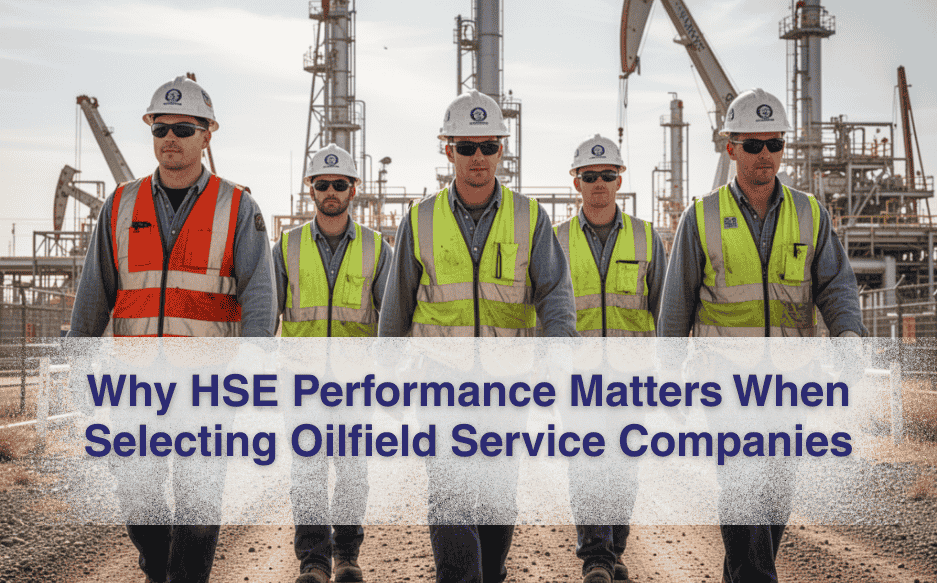
The oil and gas industry is complex and high-risk, making it essential for operators to select oilfield service partners based on more than just price or equipment availability. In the upstream sector—especially in the Middle East—Health, Safety, and Environmental (HSE) performance is now a key factor in decision‑making. Strong HSE […]
By Get global | June 29, 2026
By Get global | June 29, 2026
The Middle East has always been one of the key regions for the oil and gas industry with some of the largest hydrocarbon reserves in the world. Upstream exploration and production have been a major contributor to economic growth and energy development for many Middle Eastern countries. For instance, cities […]
By Get global | June 29, 2026
Every barrel counts. In oil and gas, even a few hours of unexpected downtime can cost companies thousands, sometimes millions of dollars. And yet, so many operators are still juggling dozens of vendors without any real system in place. It’s messy. It slows things down. And honestly, it’s holding production […]